
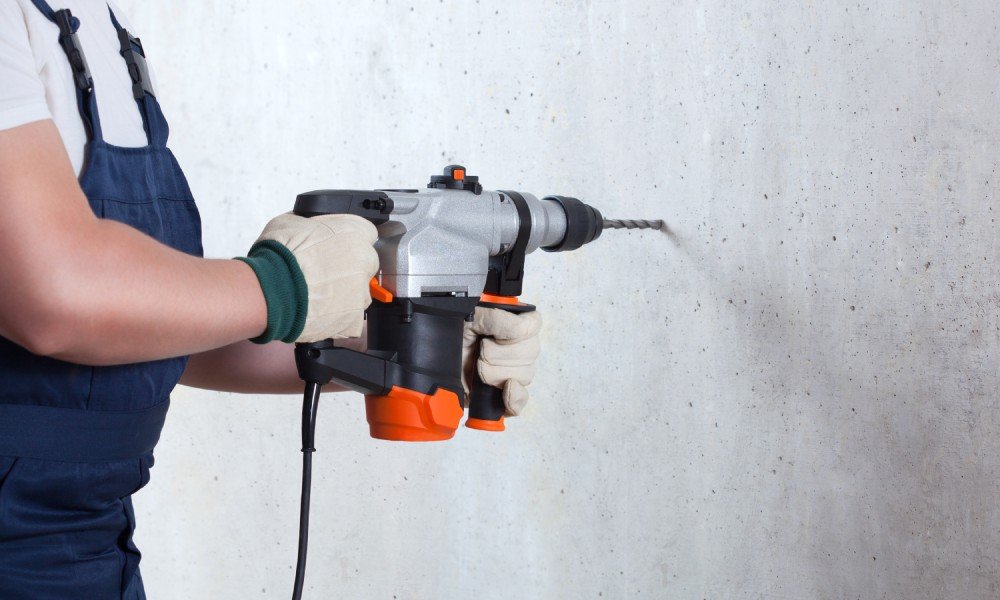
Drilling a hole looks simple. You grab a tool, pull a trigger, and push. Yet, professionals know that this deceptive simplicity leads to broken components, damaged materials, and frustration. Precision demands technique.
Errors in speed, pressure, or bit selection turn a quick task into a costly repair. Avoiding these five common drilling mistakes saves time and protects equipment.
Mistake 1: Ignoring The Pilot Hole
Drill bits wander. Without a guide, the spinning tip skitters across smooth surfaces like metal or tile, scratching the finish and missing the mark. Large-diameter bits struggle to engage material without a smaller opening to guide them.
Solution: Mark And Start Small
Create a center punch indentation for metal or an awl mark for wood. This tiny divot immediately captures the bit tip. For holes larger than a quarter-inch, drill a smaller pilot hole first. This reduces the load on the larger bit and keeps the hole straight.
Mistake 2: Applying Incorrect Speed
Speed kills drill bits. Running too fast generates excess heat, tempering the metal and instantly dulling the cutting edge. Conversely, running too slowly on soft materials tears the fibers rather than cutting them cleanly.
Solution: Match Speed To Material
- Hard materials (Steel, Concrete): Slow down. Low RPM keeps heat manageable.
- Soft materials (Wood, Plastic): Speed up. Higher RPMs clear chips and produce a clean finish.
- Aluminum: Use a moderate speed to prevent the metal from melting and fusing to the bit.
Mistake 3: Forcing The Bit
Muscling the drill does not make it cut faster. Excessive pressure causes bits to snap, flex, or burn. It also puts unnecessary strain on the drill motor. The tool should do the work, not your shoulder.
Solution: Let The Cutter Work
Apply steady, even pressure. If the bit refuses to advance, check its sharpness. A sharp bit cuts with minimal force. If you see smoke or discoloration, reduce the intensity immediately.
Mistake 4: Failing To Clear Chips
Debris packs into the flutes of the bit. When these channels clog, heat accumulates rapidly because air cannot circulate, and waste material has nowhere to go. This friction degrades the steel’s temper and causes the bit to bind in the hole.
Solution: Peck Drilling
Retract the bit frequently to remove waste material from the hole. This “peck” motion clears the flutes and allows cool air to reach the cutting surface. For deep holes, this step remains non-negotiable.
Mistake 5: Selecting The Wrong Bit
A wood bit destroys itself on concrete. A masonry bit spins uselessly on metal. Using a general-purpose bit for specialized tasks yields poor results. For instance, heavy-duty masonry work requires specific tools. The applications of spline-drive drill bits include drilling into hard concrete or stone, where standard bits fail to transmit sufficient torque.
Solution: Identify The Substrate
- Wood: Brad-point or auger bits.
- Metal: High-Speed Steel (HSS) or Cobalt.
- Masonry: Carbide-tipped bits.
- Tile/Glass: Diamond or spear-point bits.
Master The Drill For Better Results
Proper technique separates a clean hole from a botched job. Understanding common drilling mistakes and how to avoid them transforms a struggle into a smooth process. Patience and the right approach protect your tools and ensure every project ends with precision.