
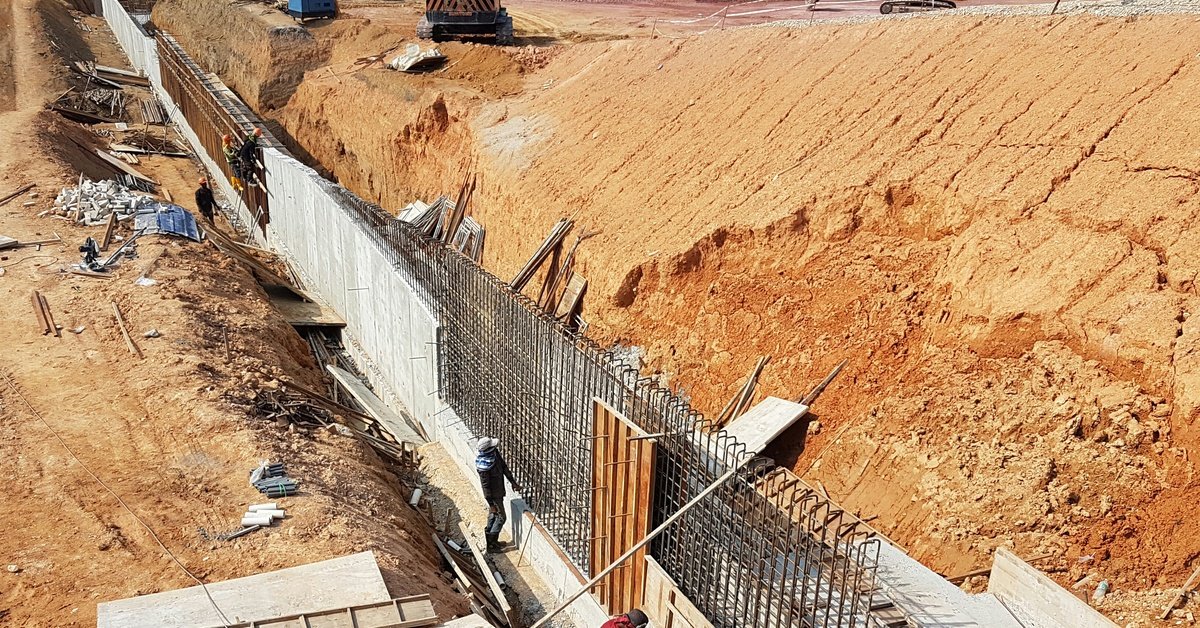
Building on a picturesque, rolling hill can seem like a dream come true. You get killer views, unique architectural opportunities, and a property that stands out from the rest. But before you start drawing up blueprints, it’s wise to understand what developers need to know about building on sloped land. A slope introduces a few extra curveballs into the construction process, and being prepared is the best way to hit a home run.
Assessing Site Stability
First things first, you need to play detective with your dirt. The stability of the soil and the steepness of the grade are your main characters in this story. A thorough geotechnical investigation will reveal the soil’s composition, its bearing capacity, and any potential for landslides or erosion.
This isn’t just a suggestion; it’s a foundational step that informs every decision you’ll make afterward. Ignoring it is like building a house of cards during a light breeze, risky business.
Managing Drainage and Erosion
Water is a powerful force, and on a slope, it loves to run downhill, taking soil along for the ride. Proper drainage is non-negotiable. You’ll need to consider strategic grading, retaining walls, and possibly French drains to divert water away from your foundation.
Planting vegetation or using erosion-control blankets will keep your landscape intact and your foundation secure. It’s all about working with gravity, not against it.
Designing the Foundation
A sloped lot demands a more creative approach to foundation design. Depending on the steepness and soil conditions, you might consider a stepped foundation that follows the land’s contour, or a walk-out basement design that takes advantage of the elevation change.
For more challenging sites, deep foundation systems such as piers or piles may be necessary to reach stable soil layers deep below the surface. A structural engineer can help you understand the best practices for deep foundation construction for your specific project.
Planning for Access and Costs
How are you going to get people and materials up that hill? A steep driveway can be a headache in icy weather, and construction vehicle access needs careful planning. These logistical challenges, combined with the specialized foundation work and earthmoving required, will add to your overall project cost.
It’s smart to budget for these extra expenses from the beginning so there are no surprises down the line. A detailed plan prevents a project from going sideways, literally.
Your Next Steps on the Slope
Building on a gradient presents unique challenges, from managing soil stability to planning a durable foundation. But with the right expertise and careful planning, that tricky hillside can become the site of a stunning, structurally sound development. By understanding what developers need to know about building on sloped land, you can turn potential obstacles into architectural triumphs. The result is a property that looks great and is built to last.