
A reliable fleet maintenance plan is the cornerstone of any successful transportation operation. Without one, you face unplanned downtime, spiraling repair costs, and compromised safety. Therefore, developing a structured approach to vehicle upkeep is not just good practice; it’s a business necessity. A well-executed plan keeps your assets on the road, maximizes their lifespan, and protects your bottom line. Here’s how to build a reliable fleet maintenance plan.
Establish a Preventive Maintenance Schedule
The first step is moving from a reactive to a proactive maintenance model. You should create a detailed preventive maintenance (PM) schedule for each vehicle based on mileage, engine hours, or time intervals. This schedule must include routine checks like oil changes, tire rotations, brake inspections, and fluid level verifications. Documenting these PMs allows you to track compliance, spot recurring issues, and adjust intervals as needed based on vehicle performance and operating conditions.
Utilize a Fleet Management System
A robust fleet management system (FMS) is essential for modern maintenance planning. This software automates PM scheduling, generates work orders, tracks repair histories, and manages parts inventory. Moreover, an FMS provides invaluable data that helps you analyze cost-per-mile, identify failure trends, monitor technician productivity, and make informed decisions about vehicle replacement. In a nutshell, it centralizes all maintenance-related activities, giving you a comprehensive view of your fleet’s health.
Manage Parts and Inventory
Effective inventory management prevents delays caused by out-of-stock components. You need to determine which parts are most critical and stock them accordingly. A good list of semitruck parts to always have on hand includes items like filters, belts, hoses, and brake components. An FMS can help you set reorder points and monitor inventory levels, so your technicians have the necessary parts available when they need them for both scheduled PMs and unexpected repairs.
Implement a Driver Inspection Program
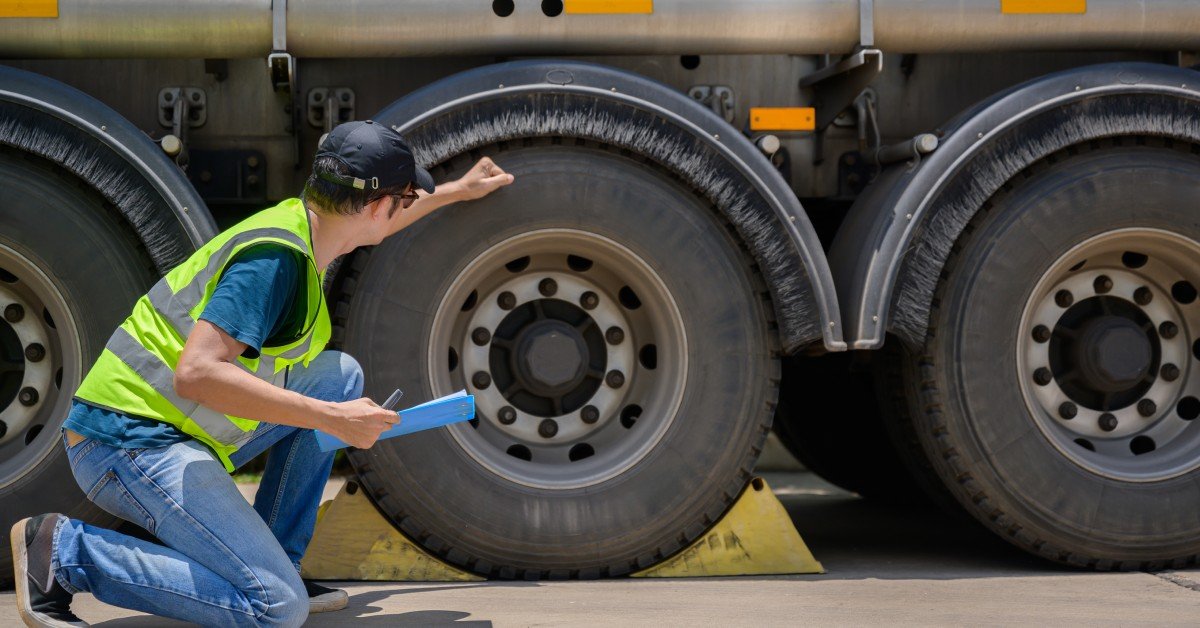
Your drivers are your first line of defense in identifying potential vehicle issues. That’s why a thorough driver vehicle inspection report (DVIR) program is critical. You must train drivers to conduct comprehensive pre-trip and post-trip inspections and to report defects immediately. Addressing minor problems found during these inspections, such as worn wiper blades, low tire pressure, damaged mirrors, or burnt-out lights, prevents them from escalating into more serious and costly failures down the road.
Analyze and Adapt Your Plan
A fleet maintenance plan is not static; it should evolve. To build the most reliable plan, you ought to regularly analyze maintenance data to measure key performance indicators (KPIs) like PM compliance, mean time between failures (MTBF), and vehicle uptime. These metrics reveal the effectiveness of your current strategy. Based on this analysis, you can refine your PM schedules, update your parts inventory, provide additional technician training, and make other adjustments to continuously improve your fleet’s reliability and efficiency.