
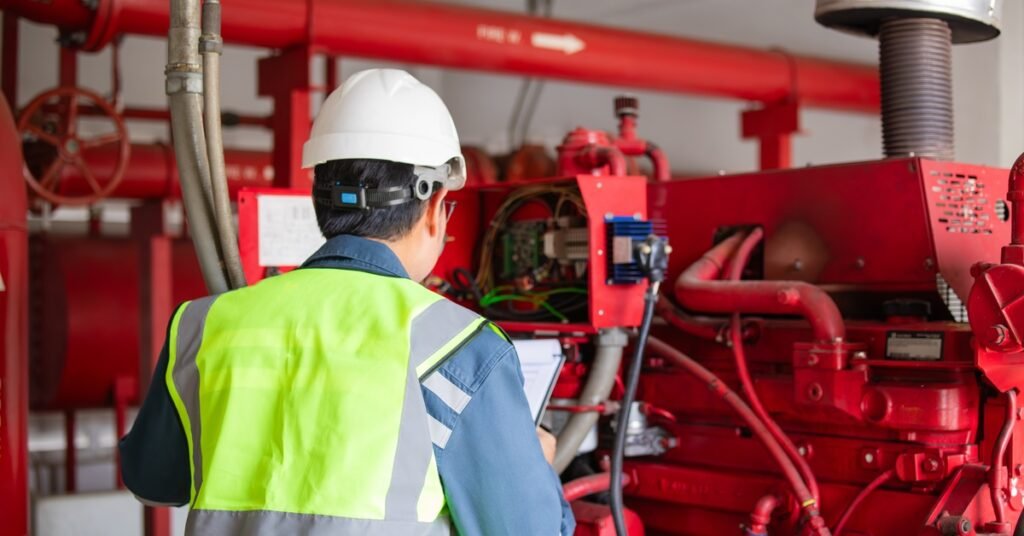
That low, steady hum of an industrial generator is the sound of productivity and reliability. But when that hum turns into a bang, hiss, or screech, it’s a sign that something is wrong. Unusual noises coming from your power equipment are more than just a nuisance—they often signal mechanical failure that could lead to costly downtime or even safety hazards. Identifying the source of the racket quickly can save you money and keep your operations running smoothly. Here’s what to do if your industrial generator is making a noise.
Safety First
Before you start poking around, prioritize your safety. Generators are powerful machines involving high voltage and moving parts. Turn off the generator completely and let it cool down before you inspect anything. Wear appropriate hearing protection if the noise is loud, and use safety gloves and goggles. Never attempt to touch internal components while the machine operates. If you suspect an electrical fault or a fuel leak, evacuate the area immediately and call emergency services or a specialized technician.
Common Noises and Causes
Different sounds often point to specific problems. A loud banging or knocking sound typically indicates internal engine trouble, such as worn bearings or loose pistons. If you hear a high-pitched squeal or screech, a loose or worn fan belt is likely the culprit. Hissing sounds usually suggest a leak in the cooling system or a vacuum line. A continuous clicking noise might point to a starter motor issue or a failing battery. Understanding these auditory cues helps you narrow down the problem before you even open the toolbox.
DIY Checks
You can perform a few simple checks without needing a degree in engineering. Start by checking the oil levels; low oil can cause friction and grinding noises. Inspect the coolant levels as well, since overheating can lead to strange sounds. Look for any loose bolts, screws, or panels that might rattle during operation, and tighten them. Check the exhaust system for any blockages or leaks that could cause sputtering or popping sounds.
When To Call a Professional
Sometimes, the problem exceeds a quick fix. If you find metal shavings in the oil, notice smoke accompanying the noise, or identify major electrical issues, stop what you are doing. These signs indicate severe damage that requires expert attention. Attempting to fix complex engine or electrical problems yourself can void warranties and potentially cause catastrophic failure. If the industrial generator needs servicing, contact a certified technician who can diagnose and repair the issue safely.
Preventative Measures
Preventing noise starts with regular care. Stick to a strict maintenance schedule that includes changing oil, filters, and belts. Keep the area around the generator clean and free of debris that could get sucked into the intake. Regularly testing the battery and electrical connections helps catch small issues before they become loud problems.
Ignoring a noisy generator is a gamble that rarely pays off. By staying alert to changes in sound and performing basic checks, you protect your industrial generator and maintain a safe work environment. Regular maintenance remains the best defense against unexpected breakdowns. If your equipment sounds off, investigate immediately—your ears are often the first tool in your maintenance kit. Contact a professional today to schedule a thorough inspection and keep your power running quietly and efficiently.