
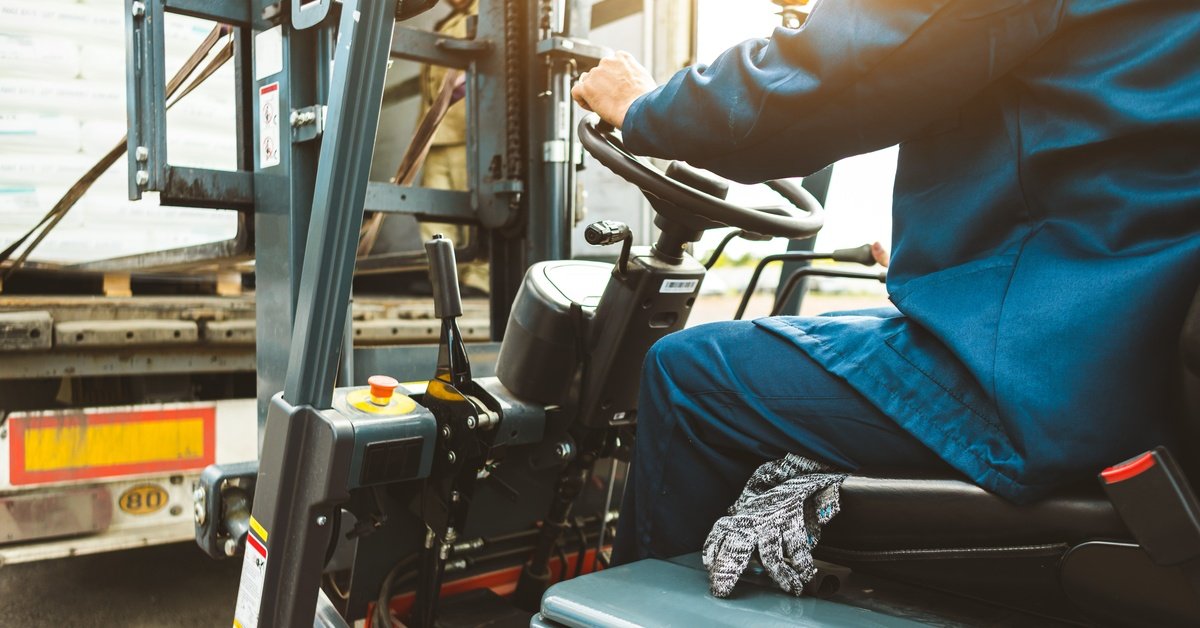
Forklifts are the undisputed workhorses of modern industry. They move heavy pallets with ease and make complex logistics possible. But let’s be honest. They are also multi-ton vehicles with massive counterweights and significant blind spots.
Putting an untrained operator behind the wheel is negligent. You might think driving one looks easy, like a specialized go-kart, but real skill requires much more than just turning a steering wheel. Let’s discuss the importance of forklift training and certification so that your team is ready for whatever OSHA throws their way.
Protecting Lives and Inventory
The most critical reason for training involves safety. Warehouses are busy environments. Pedestrians walk through aisles, other machines zip past, and inventory stacks high toward the ceiling. A certified operator understands the physics of the machine. They know how to account for center of gravity, speed, and turning radius.
Without this knowledge, things go south fast. Rookies often panic when a load shifts or a corner comes up too quickly. A solid training program teaches operators about common forklift safety mistakes and how to avoid them, ensuring everyone goes home in one piece at the end of the day.
Furthermore, dropped pallets destroy profit margins. When a driver drops a crate of electronics or punctures a drum of chemicals, the company loses money instantly. Trained professionals handle goods with care. They understand how to approach a rack, lift the forks smoothly, and back away without clipping the shelving.
Keeping OSHA Happy
You cannot ignore the legal side of things. OSHA mandates training for a reason. They take industrial safety seriously, and so should you. If an inspector walks into your facility and finds uncertified drivers operating heavy machinery, your company faces steep penalties.
It’s always cheaper to pay for a certification class than to pay a federal fine. Plus, insurance companies often look favorably on businesses with documented safety programs. Keeping your team certified protects the business from liability and keeps regulators off your back.
Efficiency and Professionalism
Beyond safety and legality, training creates better workers. A skilled operator moves with confidence. They don’t second-guess every maneuver. They know exactly how the machine responds to their inputs. This confidence translates directly to speed and efficiency.
A comprehensive course covers essential skills that speed up the workflow, such as:
- Performing rigorous pre-shift equipment inspections.
- Understanding load capacity charts to prevent tipping.
- Maneuvering in narrow aisles without damaging racks.
- Communicating clearly with pedestrians and other drivers.
When your team knows what they are doing, downtime decreases. You see fewer bottlenecks in the shipping department and faster truck turnarounds.
Invest in Competence
Treating forklift certification as an optional formality is a mistake. It’s a vital investment in your workforce and your infrastructure. It protects people, preserves merchandise, and keeps the government happy.
Don’t cut corners by ignoring the importance of forklift training and certification. Make sure every operator earns their certificate before they turn the key. The peace of mind alone is worth the effort.