
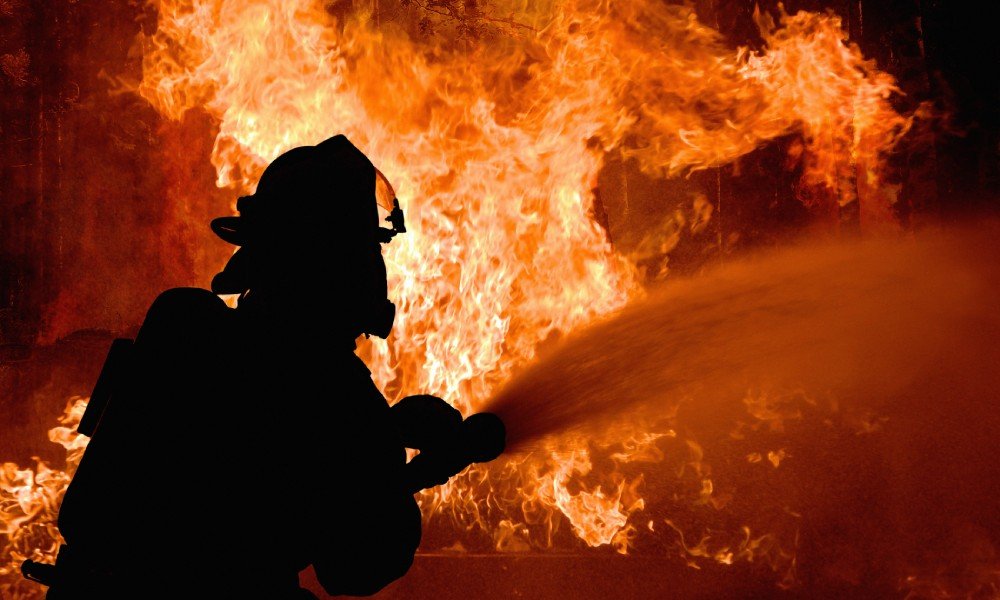
Most people recognize the silhouette of a firefighter immediately. The helmet, the heavy coat, and the boots form an iconic image of heroism. But that equipment serves a specific, lifesaving purpose beyond making them look tough. Firefighters essentially carry a portable life support system on their backs every time the alarm rings.
The engineering behind this personal protective equipment (PPE) determines whether a firefighter comes home safely. From fabrics that withstand flashovers to alarms that scream for help, let’s explore some fun facts about firefighter safety gear and equipment.
The Helmet Has a Distinct Shape for a Reason
You might notice that traditional fire helmets have a wide brim, particularly in the back. This design feature serves a critical function. The extended rear brim acts like a gutter system. It directs boiling hot water and burning embers away from the firefighter’s neck and down the back of their coat. If the brim didn’t exist, that scalding debris would slide right down their collar.
Helmets also tell a story about rank. In many departments, the color of the helmet signifies the wearer’s role. Often, a white helmet indicates a chief officer, while red or orange might denote a captain or lieutenant.
It Weighs More Than You Think
TV shows often make firefighting look agile and fast. In reality, moving in full turnout gear requires immense strength. A complete set of PPE, including the helmet, hood, pants, coat, gloves, boots, and air pack (SCBA), weighs roughly 45 to 75 pounds.
Imagine strapping a large bag of concrete to your back and then climbing six flights of stairs in a burning building. That is the physical reality firefighters face. This weight increases significantly once the gear gets wet from hose spray or sweat, adding even more drag to every movement.
The Fabric Can Withstand Intense Heat
Firefighter clothing creates a barrier between the human body and temperatures that would otherwise prove fatal instantly. The gear typically creates this protection using three distinct layers:
- Outer Shell: This tough exterior resists direct flame and physical abrasion.
- Moisture Barrier: This layer stops chemicals or bloodborne pathogens from reaching the skin’s surface and allows sweat vapor to escape.
- Thermal Liner: The innermost layer traps air to insulate the body from extreme heat.
These layers rely on advanced synthetic fibers like Nomex and Kevlar. While firefighters depend on these materials daily, this technology extends beyond the fire service. You will find similar protective standards in industries that require flame-resistant clothing, such as electrical utility work, auto racing, and industrial welding.
The Gear Screams for Help
Visibility drops to zero inside a structure fire. If a firefighter becomes trapped, injured, or runs out of air, their team needs to find them immediately. This is where the Personal Alert Safety System (PASS) comes in.
This small device monitors the firefighter’s movement. If the wearer stays motionless for a specific duration—usually 30 seconds—the PASS device activates. It emits an incredibly loud, piercing alarm and flashes bright lights. This signal cuts through the roar of the fire, guiding rescue teams directly to the downed firefighter.
The next time you see a fire truck race by, remember the science protecting the crew inside. Every strap, buckle, and layer of fabric represents decades of innovation designed to cheat death. It takes a brave person to wear the uniform, but it takes serious engineering to keep them safe. Did you learn something new in these fun facts about firefighter safety gear and equipment?