
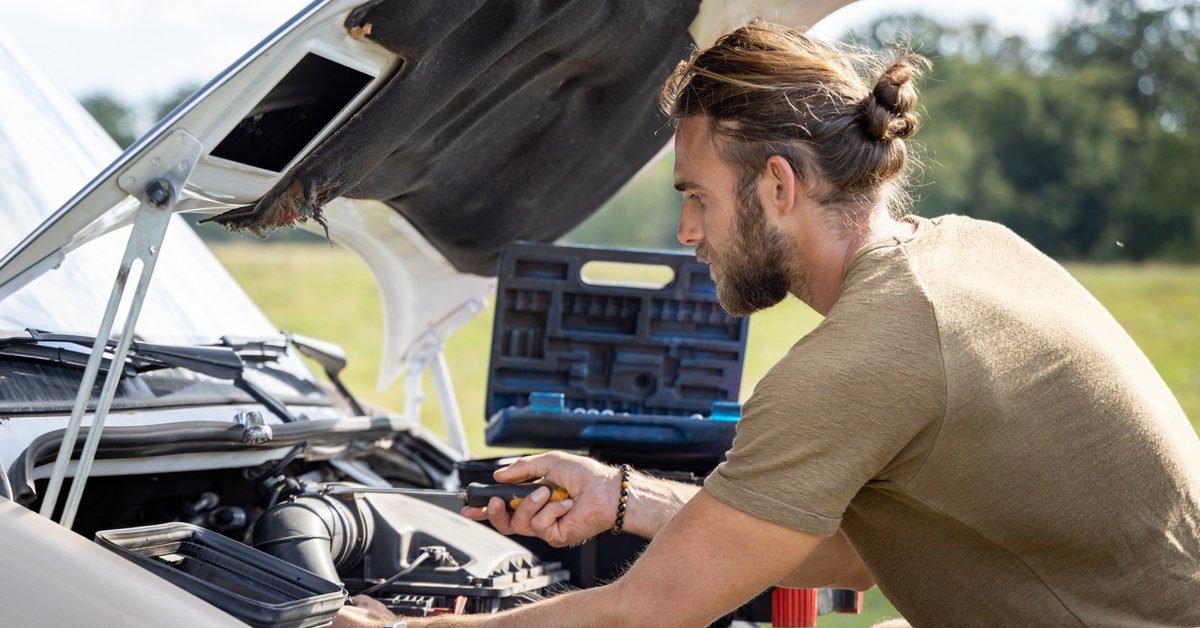
Taking on your own automotive repair can be equal parts practical and ambitious. However, it is easy to make costly mistakes that can prevent you from cutting costs, leaving you wondering if you should have left it to the professionals. To avoid these blunders, review these five tips for avoiding errors on your next car project.
Start With a Realistic Assessment of the Job
Not all car repairs are equal. Before turning the first wrench, evaluate what the job truly involves. For example, researching a job ahead of time, such as removing a transmission without a lift, will help you learn about the extensive preparation, equipment, and physical coordination required. Reading through the full process in advance will also help you determine whether your workspace meets the task’s demands.
Gather the Right Tools Before You Begin
Few mistakes are as common as discovering mid-repair that a critical tool is missing. Automotive projects often require torque wrenches, specialty sockets, or lifting equipment.
Using the wrong tool may strip bolts, crack housings, or lead to improper reassembly. Collecting the tools you need prevents decisions that compromise quality.
Respect Manufacturer Specifications
Another important tip for avoiding errors on your next car project is to respect the car manufacturer’s specifications. Companies engineer these vehicles with tight tolerances. Torque values, fluid types, and tightening sequences are not suggestions.
Skipping these details can result in leaks, premature wear, or outright component failure. Even experienced hobbyists can overlook service manual instructions when working from memory. Slowing down long enough to verify specifications reduces the risk of preventable mistakes.
Create an Organized Work Environment
Disorganization breeds errors. DIYers can mix up bolts of slightly different lengths, reattach electrical connectors incorrectly, and lose small parts.
Labeling components, photographing each stage before disassembly, and keeping hardware grouped by step provides a visual roadmap for reassembly. Order in the workspace directly translates into accuracy in the repair.
Know When to Pause
Determination is useful, but stubbornness is expensive. Fatigue, frustration, or uncertainty often signal that it is time to step back.
If unexpected complications arise or the repair exceeds its original scope, reassess rather than pushing forward. The ability to pause and research further is one of the most effective ways to avoid errors on your next car project.
DIY car repairs can be deeply rewarding, but they reward preparation more than bravado. With thoughtful planning, the right tools, and careful attention to detail, even complex projects become far more manageable. In addition to finishing your job, your goal should be to do it correctly.