
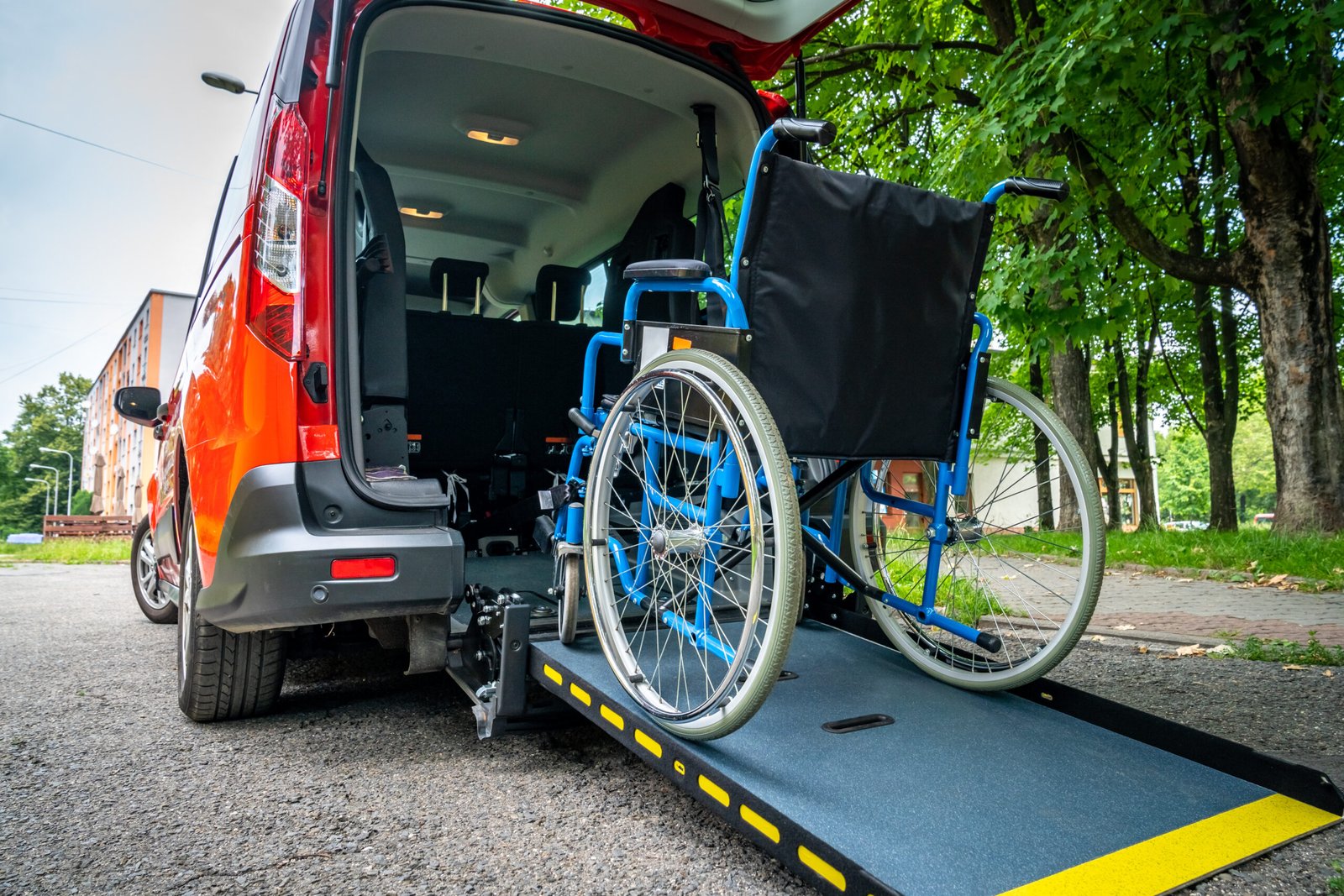
Buying a vehicle is never purely practical, even when your checklist pretends otherwise. People care about comfort, style, independence, parking stress, cup holders, and whether the thing looks like it belongs to them. That is exactly why accessible vehicle choices feel so personal, especially for wheelchair users who are too often handed a narrow set of options. After all, no one wants their entire identity reduced to a ramp and a sliding door.
Access Should Not Cancel Personality
Wheelchair users are just like everyone else, which should not need saying, yet the vehicle market often acts like it missed the memo. Some people want a roomy van, while others want a truck or a sporty crossover. Accessibility should help someone live more freely, not quietly erase their taste. When the only realistic option is a van with a ramp, choice starts to look less like freedom and more like a limitation built into the market.
Everyday Details Shape Bigger Decisions
A vehicle can look workable at first, but become frustrating once daily use comes into the picture. A low seat may make transfers harder, or a tight interior may limit movement. That is why most vehicles aren’t built for wheelchair access, which fits naturally into the larger issue: the problem is not personal preference, but how narrow the starting point can be. When access is treated as an add-on instead of part of the original design, wheelchair users are left choosing from what was adapted rather than what was built with them in mind.
Independence Deserves Better Options
A good, accessible vehicle should support independence without making the driver feel boxed into a single image of mobility. Some wheelchair users drive themselves, and some ride as passengers. Naturally, a vehicle that fits one person perfectly may be completely wrong for another. The goal is not to make every vehicle identical; it is to make more types of vehicles possible.
Accessible vehicles should feel like vehicles first, not medical equipment with wheels and a finance plan. Better choices allow wheelchair users to match transportation with lifestyle. Accessible vehicle choices feel so personal, and transportation is tied to autonomy in ways that extend far beyond getting from one place to another. Everyone deserves a vehicle that fits their life without making their options feel preselected.