
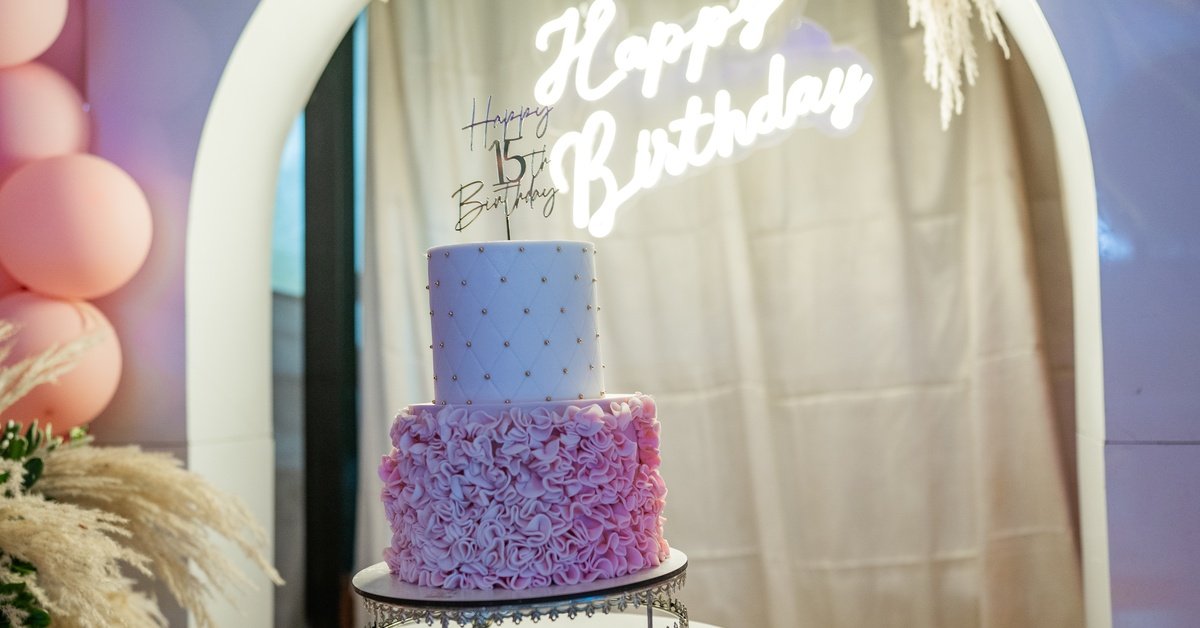
A coming-of-age ceremony should feel like more than a decorated room with a timeline. It marks a young person stepping into a new season, with family and friends witnessing the shift. The strongest celebrations carry meaning from the first welcome to the final goodbye. These tips for planning a unique coming-of-age ceremony can help shape an event that feels personal, memorable, and grounded.
Begin With the Meaning Behind the Day
Every strong ceremony starts with a clear sense of what the day represents. Before choosing a venue or deciding how the program will unfold, the family should understand the message they want the celebration to carry. Some ceremonies center on gratitude. Others focus on maturity, faith, confidence, or family legacy. Once that meaning becomes clear, the rest of the planning feels less scattered.
That emotional center also helps guests connect with the celebration. A meaningful speech, a quiet family blessing, or a symbolic gesture can add depth to the day without making it feel overly formal. When the ceremony has a clear heart, the details around it feel more intentional.
Let Tradition Feel Personal
Heritage can give a coming-of-age ceremony its roots, especially when each custom feels connected to the person being honored. Borrowed rituals may fall flat when guests never learn what they represent. When the family chooses one meaningful practice and gives it context, the room feels closer and the moment carries more weight.
For instance, knowing how to include cultural traditions in a quince dress choice ensures that the gown honors your family and heritage. The same care can shape the rest of the event. When a tradition reflects family history rather than simple decoration, guests understand that they are witnessing something deeper than a party.
Create a Rhythm Guests Can Follow
A memorable ceremony needs a natural flow. Guests should understand the room’s mood and know where to focus their attention. The program can move from welcome into reflection before opening into celebration, with each shift feeling smooth rather than scripted. A clear rhythm gives important moments enough space to land.
Strong events often build toward one emotional high point. A parent’s words, a formal presentation, or a family ritual can carry that weight when the schedule allows. With the day shaped around one central moment, the celebration feels focused. The honoree also has more time to enjoy each part instead of rushing through a string of planned scenes.
Add Personality Without Overcrowding the Event
Personal touches make the ceremony memorable, but they need room to breathe. A favorite song can reveal more about the honoree than a crowded theme. A handwritten note can feel more intimate than an elaborate display. Details work best when they point back to the person at the center of the day.
The best tips for planning a unique coming-of-age ceremony come down to restraint and intention. A celebration does not need to prove its uniqueness through constant surprises. It feels unique when the choices reflect the honoree’s voice, the family’s values, and the milestone’s meaning. That kind of planning leaves guests with a memory that feels specific rather than staged.