
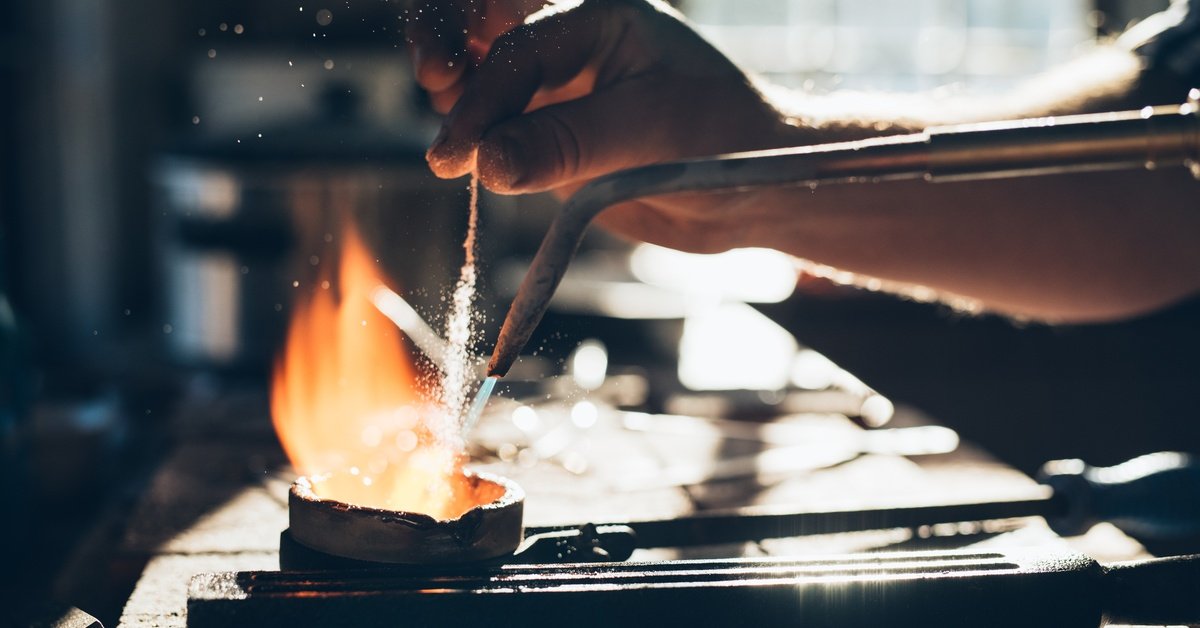
The furnace reaches its target temperature, and the crucible looks perfectly fine. Then the melt starts behaving strangely. A sample picks up an unexpected impurity, or a thin crack appears after everything cools. Suddenly, that impressive temperature rating doesn’t feel quite so reassuring.
Choosing a crucible involves more than finding a container that survives intense heat. The material must tolerate the charge and surrounding atmosphere throughout repeated heating cycles. Here’s when a heat-resistant crucible is still the wrong one.
Heat Tolerance Has Limits
A manufacturer’s maximum temperature gives you a starting point, not a complete promise. A crucible may withstand a particular temperature under controlled conditions yet struggle during a long hold or repeated cycles.
Ask how the manufacturer defines its temperature limit. Continuous operation can place different demands on the material than a brief exposure to peak heat.
Local hot spots can expose part of a crucible to harsher conditions than the controller indicates. Consider the operating environment instead of relying on one number.
Check the Melt Chemistry
Before comparing crucibles, identify everything that enters the charge. The main metal tells only part of the story because alloying elements can change how a melt interacts with its container.
A ceramic that works beautifully with one alloy might react with another. At high temperatures, the melt may dissolve some of the crucible material or carry tiny particles into the finished product.
Review chemical compatibility for the specific composition and processing conditions. When the application falls outside familiar territory, discuss controlled compatibility testing with a qualified materials specialist before running production quantities.
Be Careful With Reactive Metals
Reactive metals deserve special attention because they can interact with materials that seem stable in other applications.
Teams evaluating alumina crucibles for reactive metal melting should examine the exact metal or alloy before choosing a vessel. Alumina serves many high-temperature applications well, but highly reactive titanium melts can interact with oxide ceramics and take up unwanted oxygen.
Some specialized systems use protective coatings or alternate refractory materials to reduce those interactions. None offers universal compatibility, so confirm the recommended approach with the supplier and the process engineer.
Remember the Flux
Flux can change the chemical picture even when the base metal seems compatible. Certain molten salts and aggressive flux formulations attack refractory surfaces that tolerate the metal on their own.
Think about when you add flux and how long it contacts the crucible. A brief cleaning step and an extended hold can create different exposure conditions.
Don’t treat the crucible’s familiar performance with one recipe as proof that every new additive will behave the same way. Check compatibility whenever the charge formulation changes, particularly when the process introduces strongly reactive compounds.
Consider the Atmosphere
The air around the crucible affects its useful life. Graphite can perform well in suitable environments, but oxygen at elevated temperatures promotes oxidation and gradual material loss.
An inert atmosphere may reduce that problem, depending on the process. Vacuum conditions introduce their own compatibility questions, especially when volatile components or reactive melts enter the picture.
Tell the supplier whether the furnace operates in air or under controlled gas. Include the expected pressure conditions. A material recommendation without that context may overlook an important source of wear or contamination.
Watch the Temperature Changes
A crucible doesn’t have to melt to fail. Rapid heating can create temperature differences between its surface and interior, and those differences generate stress.
Some ceramics tolerate thermal shock better than others. A material with excellent high-temperature stability may still crack when an operator heats it too quickly or cools it unevenly.
Follow the manufacturer’s heating and cooling instructions for that specific crucible grade. Avoid assuming that a schedule suitable for graphite will work for dense alumina. A careful temperature ramp often pays for itself in fewer interrupted runs.
Pay Attention to Wetting
How molten material contacts the crucible wall can affect removal and cooling. A melt that wets the surface may spread across the bottom rather than gathering into a compact pool.
As the metal solidifies, differences in thermal expansion can put stress on the container. A stubborn deposit can also make the next cleanup harder.
Ask whether the proposed crucible material resists wetting by the intended melt. In some applications, an approved liner or coating may help, but its chemistry must suit the process as well.
Protect the Product From Contamination
A crucible can look intact and still compromise the finished metal. Small amounts of dissolved refractory material may change composition or interfere with quality requirements.
That risk grows more important when a laboratory prepares reference materials or a manufacturer works with tightly controlled alloys. A visually successful melt doesn’t automatically mean the product meets specifications.
Define the acceptable contamination limits before purchasing equipment. Then choose a material and quality grade that fit those limits. Product testing should confirm compatibility rather than assuming that a clean-looking crucible proves success.
Match the Size to the Job
A crucible’s dimensions influence more than the amount of metal it holds. The available headspace affects how comfortably operators can manage the charge, and wall thickness can influence heating behavior.
Overfilling increases the chance of spills or overflow during handling. An oversized vessel may complicate heating efficiency without adding value to a small batch.
Consider the furnace opening and the tools the crew uses to move the container. The safest choice supports the intended capacity without creating awkward handling or unsupported loading arrangements.
Think About the Furnace
A crucible that suits one heating method may perform poorly in another. Induction melting introduces different demands than a resistance furnace, including how the equipment transfers energy to the charge.
The support system also plays a role. Improper contact with a furnace surface can create uneven stresses, while an unsuitable stand may react with the crucible at temperature.
Review the furnace manufacturer’s recommendations before selecting a replacement. Confirm that the crucible and its supports work with the heating method and operating cycle. Compatibility includes the complete setup.
Inspect After Every Run
Crucible damage doesn’t always announce itself with a major crack. Small chips or changes in the inner surface can reveal developing wear.
Let the crucible cool according to its operating instructions before inspection. Look for cracks and unusual deposits, along with erosion near the melt line. Record anything different from the previous cycle.
Don’t reuse a vessel when damage raises doubts about its ability to contain molten metal. Follow the facility’s inspection and replacement procedures. A timely replacement costs far less than a spill that damages equipment or injures someone.
Ask Better Supplier Questions
Share the charge composition and expected operating temperature with the supplier.
Describe the atmosphere and the duration of each melt. Explain whether the crucible experiences frequent heating cycles or remains hot between batches.
Ask about known compatibility limits and approved coatings where appropriate. Clear answers help narrow the choices before the team commits to an expensive trial.
Choose Compatibility Over a Big Number
Understanding when a heat-resistant crucible is still the wrong one starts with seeing beyond its temperature rating. Chemical reactions and repeated heating cycles can create problems even when the vessel never approaches its melting point.
Take a closer look at the materials inside the crucible and the conditions around it. Work with qualified suppliers when the chemistry gets complicated, and verify the choice before scaling up. The right crucible protects more than a melt. It helps the entire process run with greater confidence.