
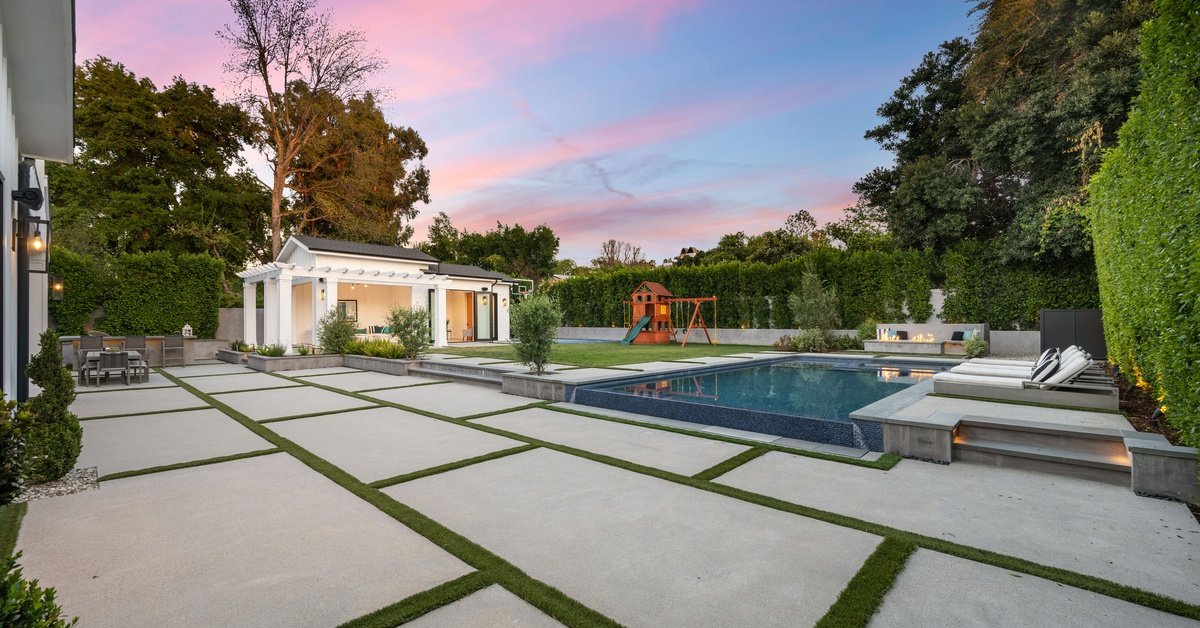
An outdoor space doesn’t need an expensive makeover to feel thoughtfully designed. Sometimes, a well-placed pathway, an interesting wall, or a striking water feature can transform an ordinary backyard into an inviting retreat. The key is treating your outdoor area as an extension of your home’s architecture rather than simply the land surrounding it.
There are numerous ways to add architectural interest to your outdoor space while maintaining comfort and functionality. From geometric layouts to layered lighting, thoughtful design choices create an outdoor environment that feels balanced, welcoming, and full of personality.
Introduce Geometric Shapes and Clean Lines
Geometric shapes establish structure, guide movement, and create visual interest in outdoor environments. Straight pathways, rectangular planting beds, and angular patios give a backyard a contemporary appearance, while circular seating areas and curved walkways introduce softness and movement.
The most effective designs balance structured elements with natural surroundings. For example, a rectangular patio bordered by flowing ornamental grasses creates an attractive contrast between rigid lines and organic textures. Similarly, square steppingstones arranged across a lawn turn a simple walkway into a deliberate design feature.
Geometric elements generally work best when they complement the home’s existing architecture. Modern properties often suit sharp angles and symmetrical layouts, while traditional homes may benefit from softer curves and more relaxed arrangements.
Incorporate Architectural Water Features
Water features can serve as striking architectural elements rather than merely decorative additions. Rectangular swimming pools, narrow reflecting basins, and raised water walls introduce defined shapes while adding movement, texture, and visual depth to outdoor spaces.
In contemporary backyard designs, geometric pool features add visual interest by establishing a cohesive connection between the swimming area and surrounding landscape. These elements reinforce the property’s architectural style while making the outdoor environment feel more unified.
Smaller spaces achieve similar effects through compact water installations. A shallow reflecting pool can mirror nearby structures, while a wall-mounted fountain can introduce dimension to an otherwise plain boundary. Positioning water features where they’re visible from interior living areas also creates an attractive connection between indoor and outdoor environments.
Add Height With Pergolas and Vertical Structures
Many backyards concentrate their design elements at ground level, leaving opportunities for vertical interest unexplored. Pergolas, arbors, decorative screens, and other upright structures introduce height while making outdoor spaces feel more defined.
A pergola positioned over a dining area creates the impression of an outdoor room without completely enclosing it. Overhead slats produce changing shadow patterns throughout the day, while climbing plants soften the structure’s appearance and introduce natural texture.
Decorative screens made from timber, metal, or masonry provide privacy while serving as distinctive architectural features. In smaller gardens, even a single arbor framing a pathway can create a sense of depth and establish a welcoming transition between different areas.
Transform Retaining Walls Into Design Features
Retaining walls are commonly associated with managing slopes and preventing soil movement, but they can also become attractive components of landscape design. Low stone walls separate garden zones, define seating areas, or introduce subtle changes in elevation.
Material selection influences the overall appearance. Natural stone provides texture and an organic character, while smooth concrete blocks complement contemporary architecture. Brickwork creates visual continuity with traditional homes, particularly when its color and pattern reflect existing exterior details.
Some low walls also incorporate built-in seating, reducing the need for outdoor furniture. However, substantial retaining walls require appropriate structural design, drainage, and compliance with local building regulations to remain safe and durable.
Create Distinct Outdoor Living Areas
Dividing a backyard into purposeful zones makes it feel more organized and visually interesting. Rather than treating the entire space as one continuous area, consider establishing separate places for dining, relaxing, gardening, and entertaining.
Different surface materials can distinguish these areas without requiring physical barriers. A stone patio might connect to a timber deck through a gravel pathway, creating a natural transition between spaces. Raised planters, low hedges, and decorative partitions further reinforce these boundaries.
Consistency remains important when introducing multiple zones. Repeating complementary colors, materials, or architectural details helps the different areas feel connected.
Combine Contrasting Materials and Textures
Contrasting materials add depth to outdoor spaces that might otherwise appear visually flat. Pairing smooth concrete with rough natural stone, dark metal with warm timber, or structured paving with soft greenery creates an appealing balance between different surfaces.
However, incorporating too many finishes can make the landscape feel cluttered. Selecting two or three dominant materials and repeating them throughout the design generally produces a more cohesive appearance.
For example, timber might feature in a pergola, privacy screens, and seating, while natural stone connects pathways, patios, and raised planting beds. This repetition establishes visual consistency without making every feature look identical.
Highlight Architectural Details With Outdoor Lighting
Outdoor lighting influences how architectural features appear after sunset. Carefully positioned uplights emphasize textured walls and vertical structures, while recessed pathway lights highlight changes in elevation without introducing bulky fixtures.
Pergolas and covered seating areas also offer opportunities for subtle illumination. Warm lighting creates a welcoming atmosphere, while cooler tones emphasize contemporary materials and clean lines.
Use Landscaping as Living Architecture
Plants contribute to architectural design just as effectively as permanent structures. Tall ornamental grasses introduce vertical movement, clipped hedges establish defined boundaries, and trees with distinctive branching patterns create natural focal points.
Raised planters and symmetrical planting arrangements reinforce geometric layouts, while cascading greenery softens concrete walls, stone surfaces, and other rigid features. Plant selection should account for local climate, sunlight, soil conditions, and maintenance requirements. Choosing suitable varieties ensures the landscape remains attractive as it matures rather than becoming difficult to maintain.
Establish a Strong Focal Point
One of the simplest ways to add architectural interest to your outdoor space is to establish a clear focal point that draws attention without overwhelming the surrounding design. A sculptural tree, distinctive fireplace, geometric water feature, or textured garden wall can serve this purpose. Positioning the feature where it’s visible from a patio, dining area, and interior window allows it to become a natural centerpiece.
Supporting elements should complement the focal point rather than compete with it. A simple pathway leading toward an attractive feature creates more impact than filling the garden with numerous decorative objects.
Bring the Entire Design Together
Successful outdoor architecture balances appearance with everyday usability. Before introducing new features, consider how people move through the space, where sunlight falls, and which areas require shade or privacy. Materials should suit the local climate, while structures and decorative elements should remain proportional to the available area.
Ultimately, an inviting outdoor environment doesn’t depend on extravagant additions. Thoughtful geometry, varied textures, vertical structures, strategic lighting, and carefully positioned focal points transform even a modest backyard into a cohesive, functional, and visually engaging space.