The hospitality industry has evolved beyond providing comfortable accommodations, quality dining, and reliable customer service. Modern travelers increasingly consider how hotels, resorts, and vacation properties contribute to their overall well-being. Whether traveling for business, leisure, or a family getaway, guests appreciate opportunities to relax, exercise, and maintain healthy routines.
This growing interest has made wellness amenities in hospitality an important consideration for businesses looking to improve guest satisfaction and create memorable experiences. From swimming pools and fitness centers to spa treatments and outdoor relaxation areas, these facilities enhance a property’s appeal while supporting guests’ physical and mental well-being.
Why Wellness Matters in Modern Hospitality
Wellness is no longer associated exclusively with luxury resorts or specialized retreats. Many travelers prioritize healthy lifestyles and prefer accommodations that allow them to maintain familiar routines while away from home. Business travelers appreciate access to exercise facilities after demanding workdays, while families often seek recreational spaces where everyone can unwind together.
These preferences demonstrate that wellness encompasses more than traditional spa services. Hospitality businesses can create welcoming environments by offering amenities that accommodate different interests, budgets, and physical abilities. When thoughtfully incorporated into a property, these features encourage guests to spend more time enjoying their surroundings and contribute to a more satisfying stay.
Popular Wellness Amenities in Hospitality Businesses
Different wellness facilities serve different purposes, and selecting the right combination depends on a property’s location, available space, target audience, and operational resources.
Swimming Pools and Aquatic Facilities
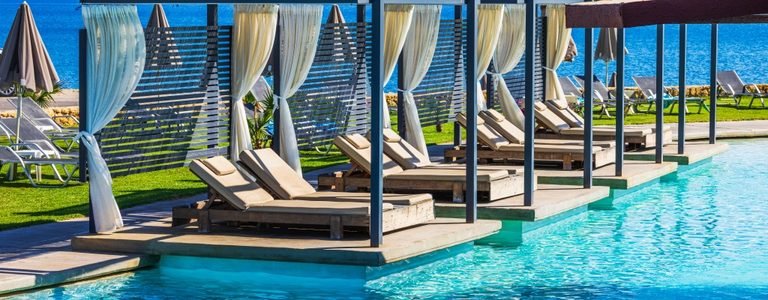
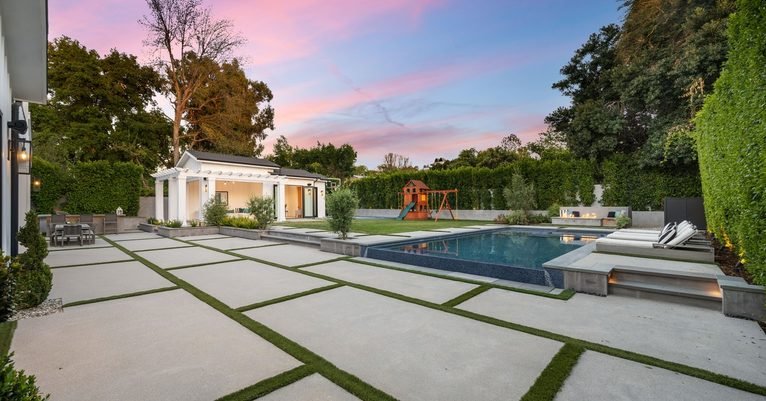
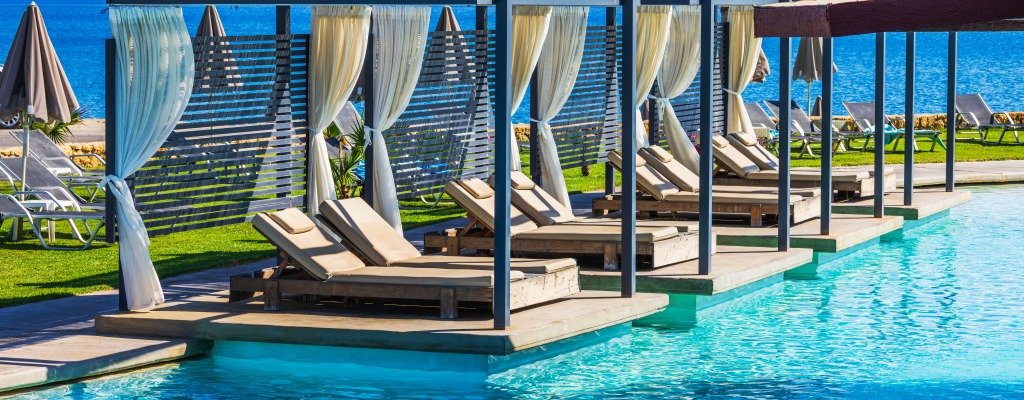
Swimming pools are among the most versatile recreational amenities available to hospitality businesses because they combine opportunities for physical activity, relaxation, and social interaction. Hotel guests may enjoy swimming before breakfast, spending an afternoon beside the water, or participating in recreational activities with family members.
A thoughtfully designed swimming area can also become a central feature of a hotel or resort, contributing to its atmosphere and overall guest experience. Understanding the advantages of adding a commercial pool to a property can help hospitality operators evaluate how aquatic facilities may improve recreational opportunities and enhance property appeal.
However, swimming facilities require ongoing attention to water quality, maintenance, accessibility, safety regulations, and operating expenses. Property owners should consider these responsibilities alongside the potential benefits before investing in construction.
Fitness Centers and Exercise Spaces
Fitness centers allow travelers to maintain their exercise routines without leaving their accommodations. Even smaller hotels can provide practical workout areas equipped with essential cardiovascular machines, free weights, and stretching spaces, while larger resorts may offer yoga studios, instructor-led classes, or outdoor exercise facilities.
The effectiveness of these spaces depends on cleanliness, ventilation, equipment maintenance, and convenient operating hours. A modest but well-maintained fitness area may provide greater value to guests than an elaborate facility that is difficult to access or poorly managed.
Spas and Relaxation Areas
Spa facilities offer guests opportunities to unwind through massages, facials, and other treatments designed to promote relaxation. Although full-service spas are common in upscale resorts, smaller hospitality businesses can create calming environments without making substantial investments in specialized equipment.
Quiet lounges, comfortable seating areas, shaded gardens, and designated relaxation spaces provide peaceful alternatives for guests seeking a break from busy schedules. Thoughtful lighting, comfortable furnishings, and reduced noise further improve these environments.
Outdoor Wellness Spaces
Outdoor environments contribute significantly to the hospitality experience, particularly when properties incorporate natural surroundings into their recreational offerings. Walking trails, landscaped gardens, terraces, and meditation areas encourage guests to spend time outdoors while enjoying opportunities for movement and relaxation.
Properties near beaches, mountains, or forests may also incorporate nearby attractions into organized activities. Accessible pathways, shaded seating, and well-maintained outdoor furniture make these spaces more comfortable and inviting for a wider range of visitors.
How Wellness Amenities Improve Guest Experiences
Wellness facilities influence how guests perceive the quality, comfort, and overall value of their accommodations. Travel interrupts familiar routines, especially when visitors experience long journeys, demanding schedules, or unfamiliar environments. Access to exercise equipment, swimming facilities, and quiet relaxation areas can help guests maintain healthy habits and manage everyday stress.
These amenities also create opportunities for memorable experiences that extend beyond the guest room. Families may remember spending time together at a swimming pool, while couples might appreciate a peaceful outdoor setting after a day of sightseeing. Such experiences contribute to positive impressions and influence how visitors remember their stay.
Another important consideration is inclusivity. Hospitality properties serve guests with different interests, ages, and physical abilities, making accessibility an essential part of wellness facility planning. Clear signage, suitable entry arrangements, and inclusive design features ensure that recreational spaces remain welcoming and practical for a diverse audience.
Business Benefits of Investing in Wellness Facilities
Beyond supporting guest comfort, wellness amenities contribute to a hospitality property’s competitiveness and long-term business performance. When travelers compare accommodations with similar locations, prices, and service standards, recreational facilities may influence their booking decisions.
Swimming pools, fitness centers, and attractive relaxation areas differentiate properties in competitive markets, particularly when these features align with guest expectations. However, businesses should prioritize amenities that reflect actual visitor preferences rather than investing in facilities simply because they are popular elsewhere.
Positive experiences also encourage repeat visits, as guests who appreciate convenient recreational facilities are more likely to consider those features when choosing future accommodations. Consistent maintenance remains essential because unavailable or poorly managed amenities can undermine guest satisfaction.
Some facilities may also create opportunities for supplementary revenue through spa treatments, fitness classes, private wellness sessions, or organized recreational activities. Nevertheless, these services require careful financial evaluation, including staffing, insurance, utilities, equipment replacement, and ongoing maintenance costs.
Planning Wellness Amenities for Long-Term Success
Successful wellness facilities begin with an understanding of guest needs and the property’s overall purpose. A family-oriented resort may benefit from recreational swimming areas, while a business hotel might prioritize accessible fitness equipment and quiet spaces for relaxation.
Property owners should evaluate available space, installation expenses, maintenance requirements, and potential operating challenges before introducing new amenities. Sustainability also deserves consideration, as energy-efficient equipment, responsible water management, and durable materials reduce environmental impact and long-term costs. Ultimately, the effectiveness of wellness amenities in hospitality businesses depends on thoughtful planning, consistent upkeep, and the ability to provide meaningful experiences that complement the property’s existing services.
Creating Lasting Value Through Guest Well-Being
Wellness facilities have become an increasingly relevant part of the hospitality experience, offering travelers convenient opportunities to stay active, relax, and enjoy their surroundings. Swimming pools, fitness centers, spa facilities, and outdoor recreational areas enhance guest satisfaction while strengthening a property’s overall appeal.
Rather than focusing on the number or luxury of available amenities, hospitality businesses should prioritize facilities that meet genuine guest needs and remain practical to operate. With careful planning and ongoing maintenance, wellness-focused spaces can contribute to memorable stays, stronger guest relationships, and sustainable business value.