
A vehicle with more than 100,000 miles on the odometer isn’t necessarily nearing retirement. Many cars remain reliable well beyond this milestone when they receive consistent servicing and timely repairs. Although aging components naturally experience wear, proper maintenance can prevent minor problems from becoming expensive mechanical failures.
Understanding smart ways to maintain a high-mileage vehicle allows drivers to make informed decisions about repairs, servicing, and everyday driving habits. With attention to essential components, exterior protection, and preventative care, older vehicles can remain dependable for many more miles.
Prioritize Regular Oil Changes
Engine oil lubricates moving components, reduces friction, and helps regulate operating temperatures. As vehicles accumulate mileage, internal components experience wear, making proper lubrication increasingly important.
Drivers should follow manufacturer-recommended oil change intervals and check oil levels regularly, particularly before long journeys. Using oil that meets the manufacturer’s specifications helps maintain engine protection, while certain vehicles may benefit from high-mileage formulations. Neglecting oil changes or consistently driving with insufficient oil can accelerate engine wear and result in costly repairs.
Monitor Essential Vehicle Fluids
Several fluids contribute to a vehicle’s performance and safety, including transmission fluid, coolant, brake fluid, and hydraulic power steering fluid where applicable. Each serves a specific purpose, from supporting smooth gear changes to maintaining braking performance and controlling engine temperature.
Fluid levels should be inspected periodically, with replacements performed according to manufacturer recommendations. Unexplained fluid loss, contamination, or visible leaks may indicate problems requiring professional attention. Simply topping up fluids without identifying the underlying cause can allow mechanical damage to develop unnoticed.
Keep the Cooling System Reliable
An overheating engine can suffer serious damage, especially when aging components are already experiencing wear. The cooling system depends on the radiator, thermostat, water pump, hoses, and cooling fans working together to maintain appropriate operating temperatures.
Over time, hoses may crack, connections can weaken, and cooling components might become less effective. Routine inspections help identify deterioration before it causes overheating, while replacing coolant according to the manufacturer’s schedule supports reliable operation. If the temperature gauge rises unusually high, drivers should stop safely and allow the engine to cool before investigating.
Protect the Exterior and Undercarriage
Maintaining an older vehicle involves protecting more than its mechanical components. Environmental contaminants, moisture, road salt, and accumulated dirt can gradually damage exterior surfaces and encourage corrosion.
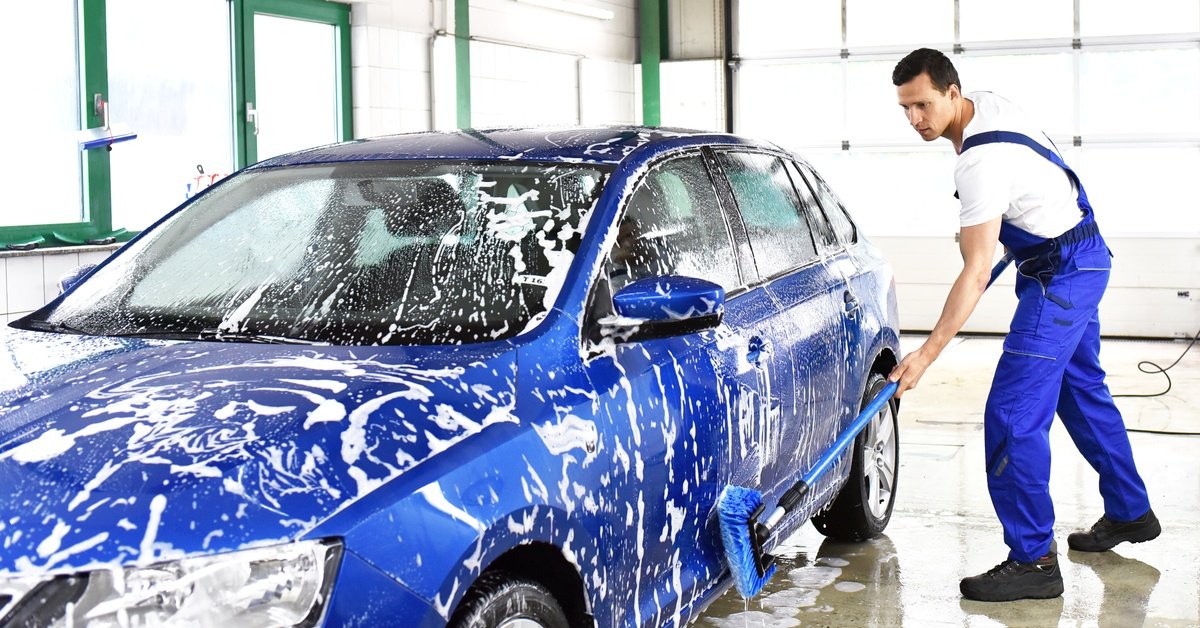
Regular washing helps remove harmful substances, particularly around wheel wells, lower body panels, and the undercarriage, where moisture and debris frequently collect. Protective treatments also preserve painted surfaces, while auto detailing helps preserve vehicle surfaces by removing accumulated contaminants and supporting long-term exterior care.
Interior maintenance deserves attention because trapped moisture, dirt, and sunlight can deteriorate upholstery and other materials. Although cosmetic care cannot prevent mechanical failures, maintaining the vehicle’s overall condition improves comfort and may help preserve resale value.
Inspect Tires and Suspension Components
Tires and suspension systems influence handling, braking, and driving comfort. As mileage increases, components such as shock absorbers, struts, bushings, and ball joints may deteriorate, affecting vehicle stability.
Uneven tire wear, steering vibrations, excessive bouncing, and unusual noises over bumps can indicate developing suspension problems. Addressing these symptoms promptly helps maintain safe handling and prevent additional damage. Drivers should also monitor tire pressure, inspect tread depth, and follow appropriate tire rotation schedules. Wheel alignment checks are particularly useful when uneven tire wear or steering problems appear.
Address Warning Signs Early
Older vehicles sometimes develop unfamiliar noises or changes in performance, but dismissing these symptoms as normal aging can become expensive. Grinding brakes, engine knocking, delayed gear changes, and persistent vibrations may indicate problems requiring investigation.
Dashboard warning lights also provide valuable information about vehicle condition. A check-engine light can indicate anything from a minor emissions issue to a significant engine malfunction. Diagnostic scanning helps identify potential causes, although fault codes do not always confirm which component has failed. A flashing check-engine light requires prompt attention because continued driving may damage the catalytic converter.
Maintain the Battery and Electrical System
Electrical problems become more common as vehicles age, particularly when batteries weaken, terminals corrode, or wiring connections deteriorate. These issues may cause difficult starting, inconsistent electrical performance, or total breakdowns.
Periodic battery testing helps assess starting reliability, especially before extreme weather conditions. Drivers should also inspect battery terminals and ensure connections remain secure. Slow engine cranking, dim headlights, and intermittent electrical faults may indicate problems with the battery, alternator, or charging system. Proper testing before replacing components means avoiding unnecessary expenses.
Practice Gentle Driving Habits
Everyday driving behavior affects how quickly mechanical components wear. Aggressive acceleration, sudden braking, and excessive loads place additional stress on the engine, transmission, brakes, and suspension.
Smooth acceleration and gradual braking reduce strain while improving fuel efficiency. Drivers should also respect manufacturer towing limits and avoid overloading their vehicles. When starting a cold engine, gentle driving until normal operating temperature is reached is preferable to immediate heavy acceleration. These habits cannot eliminate age-related wear, but they can help minimize mechanical stress.
Maintain Service Records and Plan for Repairs
Accurate maintenance records become increasingly valuable as vehicle mileage rises. Documenting oil changes, fluid replacements, tire services, inspections, and major repairs helps owners recognize recurring issues and track upcoming maintenance requirements.
Components such as belts, hoses, bearings, and suspension parts may eventually require replacement despite regular servicing. Timing belts deserve particular attention because failure can cause severe engine damage in certain engine designs. Setting aside a repair budget also makes unexpected expenses easier to manage and reduces the temptation to postpone essential maintenance.
Evaluate Repairs Against Vehicle Value
Keeping an older vehicle running doesn’t mean every repair is financially worthwhile. Before approving expensive work, owners should consider the vehicle’s overall condition, safety, repair history, and potential future maintenance costs.
A substantial repair may be reasonable when the vehicle remains dependable and replacement would cost considerably more. However, extensive structural corrosion, repeated mechanical failures, or unresolved safety concerns make replacement the more practical choice. The goal is to maintain reliable transportation while balancing repair expenses against the vehicle’s remaining useful life.
Keeping Your Vehicle Dependable for the Miles Ahead
A high odometer reading doesn’t automatically determine a vehicle’s future. Consistent servicing, preventative inspections, responsible driving habits, and timely repairs significantly influence how well an older car performs.
Effective high-mileage vehicle maintenance involves addressing minor concerns before they become serious problems while protecting mechanical components and exterior surfaces. With thoughtful care and realistic repair decisions, an aging vehicle can remain a comfortable, practical, and dependable transportation option.