
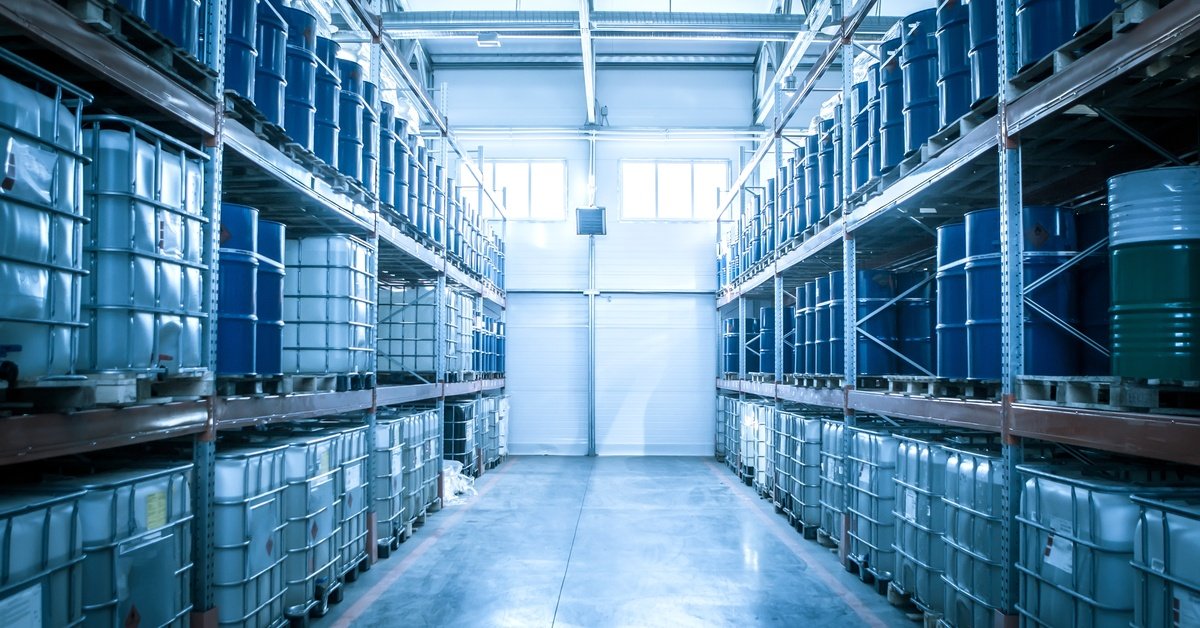
Packaging decisions do not end when chemicals leave the facility. The container still has work to do, and its next move can affect cost control, waste handling, and production flow. How chemical packaging fits a circular supply chain is about giving every IBC a planned role after its first delivery. When that role is clear from the start, circularity becomes part of the operation instead of a cleanup problem.
Design Packaging Around Reuse
A circular system needs packaging that survives normal handling without creating unnecessary risk. The container you use, such as a drum or tote, should match the chemical and the expected recovery process. Stronger packaging only supports circularity when it remains practical to clean and return to service.
Keep Product Compatibility at the Center
Chemical packaging must protect the product before any circular goal has meaning. Residue, corrosion, vapor pressure, and contamination risk shape whether a container is fit for reuse. Clear compatibility standards give teams a better way to decide when a package should be moved to reconditioning or removed from active circulation.
Build Return Paths Into Operations
Reusable packaging fails when return handling is treated as an afterthought. Manufacturers need defined steps throughout the containers’ lifecycle, from receiving empty containers to routing them to the right next stage. A simple example is deciding what to do with used intermediate bulk containers as part of the packaging plan instead of waiting until empty totes pile up on-site.
Track Containers Like Production Assets
Circular packaging depends on visibility. Each container should carry enough information to show its use history, last contents, inspection status, and next approved step. With better tracking, teams reduce guesswork and make safer decisions about whether a container belongs back in service.
Make Cleaning and Reconditioning Practical
A circular supply chain requires packaging that can be returned to a usable state without excessive labor or waste. Cleaning requirements should be realistic for the chemical involved and the facility handling the container. When reconditioning is built into the process, packaging moves through the supply chain with less friction and fewer last-minute disposal decisions.
Circular packaging is not just a sustainability label for chemical manufacturers. It is a discipline that connects product safety with operational control. How chemical packaging fits a circular supply chain comes down to planning the container’s next step before the first shipment leaves. Done well, the package keeps working beyond a single delivery.