
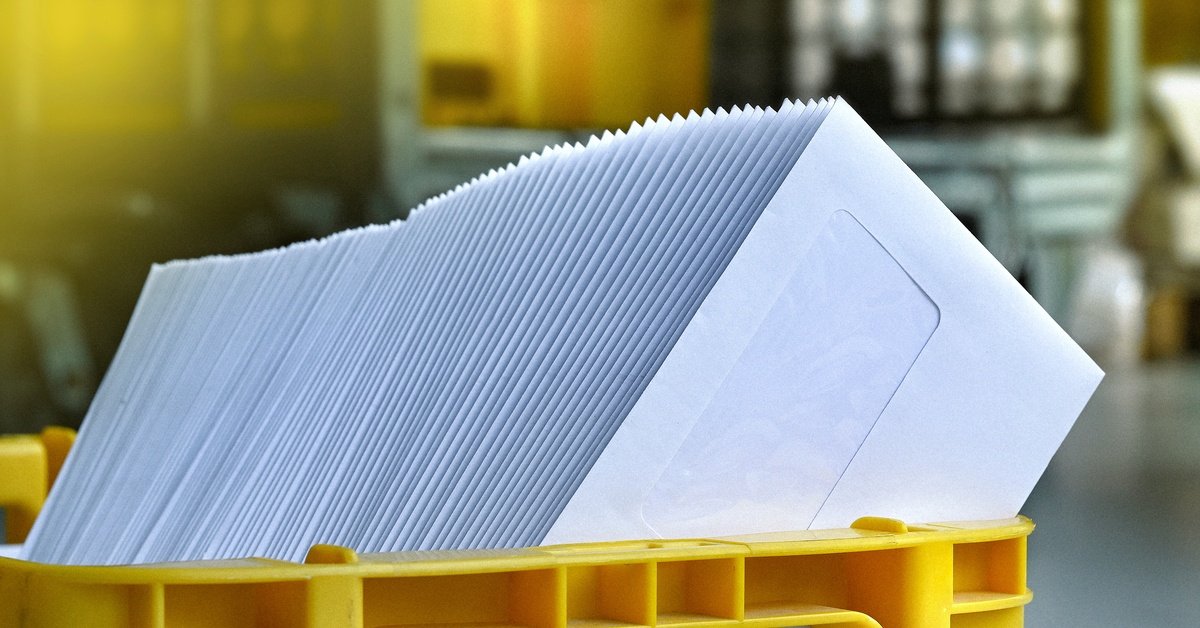
At first, outgoing mail feels manageable. Someone prints invoices, folds letters, stuffs envelopes, and drops everything at the carrier. Then volume creeps up, deadlines tighten, and a simple task starts eating hours that belong to customer work and revenue projects.
A mail inserter can take that pressure off your team. The trick involves spotting the moment when manually inserting stops making sense and starts creating avoidable costs. These are the indicators your business needs a mail inserter.
You Spend Too Much Time on Repetitive Steps
If employees spend large blocks of time folding, matching pages, and sealing envelopes, you pay for work that adds no strategic value. Manual inserting also invites interruptions. A phone call breaks focus, and a stack of documents comes back out of order.
Pay attention to how often mail jobs spill into overtime or push other tasks into tomorrow. When mailing regularly hijacks the schedule, automation starts to look less like a luxury and more like a corrective move.
Your Volumes Spike and Drop All Month
Many businesses mail in waves. You might send invoices at month-end, statements on a cycle, or compliance notices after a system update. Those peaks strain staff, especially when the same people also handle phones, orders, or receivables.
A mail inserter helps you handle spikes without turning every busy week into a scramble. When you can run a larger batch faster, you regain control over timing instead of reacting to it.
Errors Start Showing Up More Often
A wrong insert, a missing page, or a letter that goes to the wrong customer costs more than postage. You waste time on reprints, resend fees, and customer calls. In regulated industries, mis-mailings can also create serious privacy and compliance concerns.
If you field complaints about incorrect mail or you catch mistakes during final checks, the workflow needs stronger safeguards. Inserters reduce handling steps, which can reduce opportunities for mix-ups.
Your Mail Pieces Grow More Complex
Simple one-page letters feel easy to stuff by hand. Complexity changes everything. Marketing pieces add reply cards. Bills add remittance stubs. Policy packets add multiple inserts that must match the right recipient.
This is where single and multi-feed mail inserters can make a clear difference. A single-feed unit handles straightforward jobs efficiently. A multi-feed model can pull different inserts from multiple trays in the right sequence, which supports more complex mailings without slowing the team to a crawl.
You Want Faster Turnaround Without Hiring
If business growth increases mail volume, the first instinct often involves adding headcount or shifting duties. Both options can create new issues. Training takes time, and turnover can set you back right when volume rises.
A mail inserter can scale output without piling more repetitive work onto staff. You can free employees to focus on tasks that require judgment, customer service, or revenue impact.
A Good Time To Run the Numbers
If mailing causes schedule problems, errors, or constant stress, you likely have enough indicators your business could use a mail inserter. When you compare labor hours, rework, and turnaround time against equipment costs, the case often becomes clearer. With the right setup, your mail process can become predictable again, and your team can stop treating envelopes like a daily emergency. Top of FormBottom of Form