
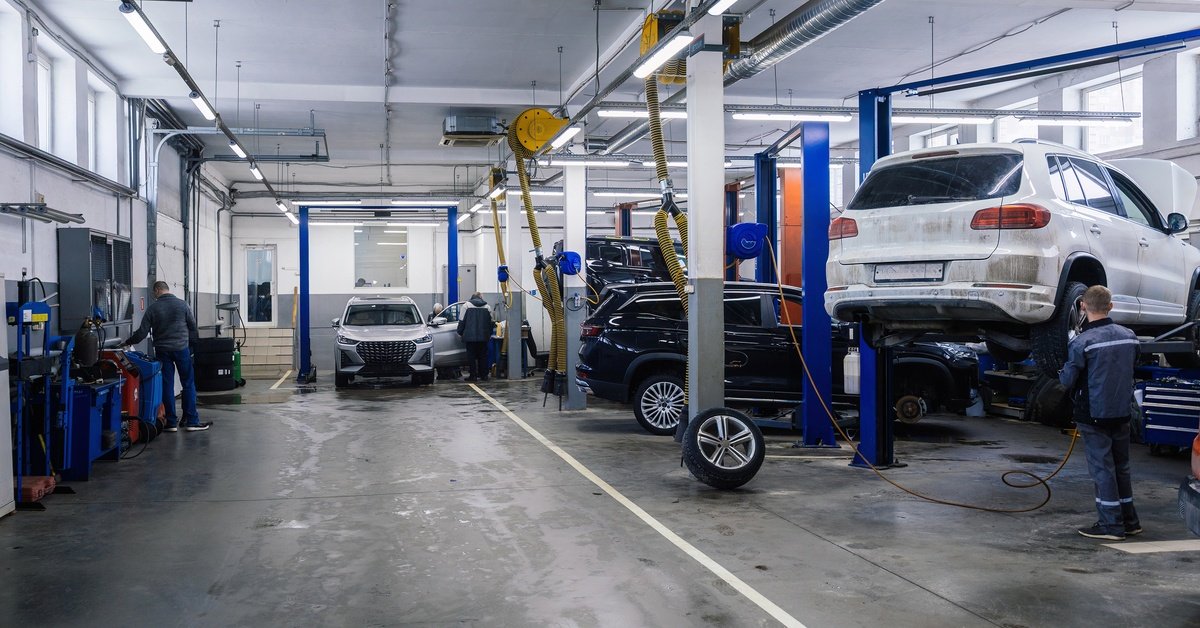
Understanding how improved automotive shop layouts enhance repair efficiency helps business owners maximize profits without overworking their staff. A smart shop layout drives speed, clarity, and profit in any automotive business.
Technicians move faster when tools, vehicles, and work zones follow a logical flow. Owners reduce wasted motion and confusion with intentional design choices. You create a workspace that supports productivity instead of slowing it down.
Create Clear Workflow Zones
Every efficient shop starts with defined zones for each stage of repair. You should separate diagnostics, repair, parts storage, and customer areas to avoid overlap. Clear zones help technicians focus on one task at a time without distractions. This structure reduces bottlenecks and keeps jobs moving forward smoothly.
Minimize Movement, Maximize Output
Technicians lose time every time they walk across the shop for tools or parts. You can improve efficiency by placing frequently used equipment within easy reach. Smart placement cuts unnecessary steps and keeps work consistent throughout the day. Over time, these small changes lead to faster turnaround and higher revenue.
Invest in Smarter Workstations
Modern layouts rely on well-designed workstations that support speed and comfort. Shops that understand the benefits of modern auto service workstations often see immediate gains in productivity.
These setups keep tools organized and reduce time spent searching for equipment. Technicians stay focused, leading to higher-quality work and fewer errors.
Improve Visibility and Communication
Open sightlines make a big difference in busy repair environments. Managers can monitor progress without interrupting technicians. Teams communicate faster when they see each other clearly across the shop floor. This visibility helps prevent delays and keeps everyone aligned on priorities.
Key Layout Features That Boost Efficiency
Certain design elements consistently improve shop performance when used correctly. Focus on practical upgrades that support daily operations and reduce friction. Consider these essentials when refining your layout:
- Wide service bays that allow easy vehicle movement
- Clearly marked pathways for safety and flow
- Centralized tool storage for quick access
- Dedicated diagnostic areas with proper equipment
- Organized parts storage near repair zones
Each feature plays a role in reducing wasted time and improving workflow. When combined, they create a shop environment that feels intuitive and efficient. Small business owners benefit from these upgrades without needing massive renovations. You can start small and scale improvements over time.
Plan for Growth and Flexibility
Your layout should support your business today and adapt for tomorrow. You need flexible spaces that can handle new equipment or an increased workload.
If you don’t plan for the future, then your business will struggle with the increased workload. Modular setups allow you to adjust without major disruptions. Planning ahead saves money and prevents costly redesigns later.
Keeping Everything Organized With a Smarter Shop Design
Better automotive shop layouts do more than improve appearance. They directly impact how quickly and effectively your team completes repairs. Thoughtful design helps small business owners compete with larger operations by maximizing efficiency. When you optimize your space, you create a shop that works as hard as you do.