
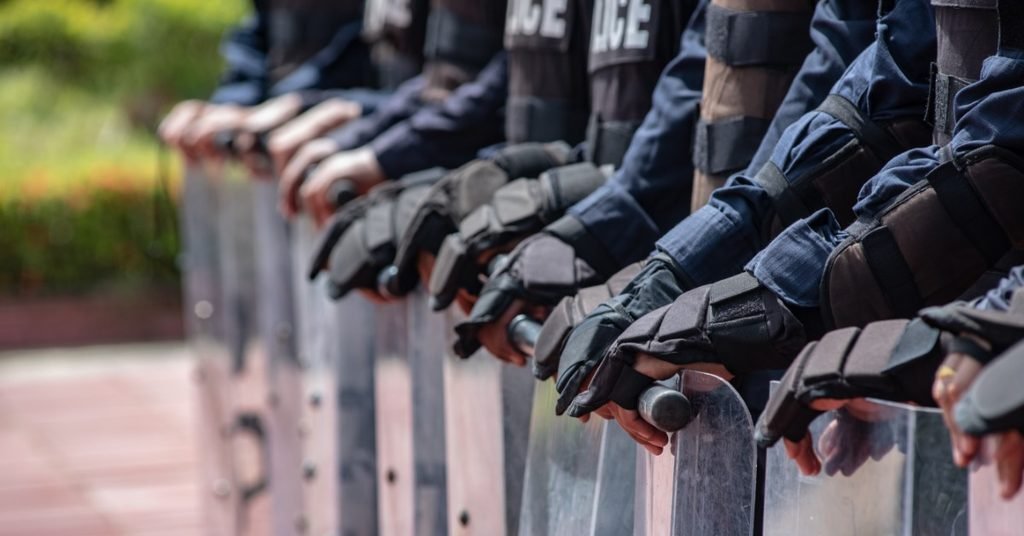
Police officers regularly encounter situations where information changes quickly and danger can escalate without warning. Departments can’t predict every threat, but they can equip officers with equipment that supports safer decisions as risk increases. Ballistic shields can play an important role in that preparation.
A shield gives officers an added layer of protection during dangerous calls while still allowing them to communicate and respond to changing conditions. The equipment can support a department’s broader safety plan without replacing training or sound judgment. When leaders evaluate protective resources, ballistic shields deserve serious consideration because they can help officers reduce exposure during some of the most dangerous moments of police work. Keep reading to discover more reasons police departments should have ballistic shields.
Add Protection in High-Risk Situations
Ballistic shields can give officers more protection when they face the possibility of gunfire. Body armor covers important areas, but a shield can provide additional coverage in front of the officer.
That extra barrier can become valuable when officers need to approach an uncertain location or protect themselves while assessing a threat. A shield also allows officers to maintain a more defensive posture as they gather information.
Departments shouldn’t treat shields as a substitute for cautious decision-making. Instead, leaders can view the equipment as one more protective option that supports officers when a situation carries a higher level of danger.
Support Safer Emergency Responses
Some calls develop quickly and leave officers with limited time to understand what they will face. Reports of an armed person or a violent disturbance can create immediate safety concerns.
A ballistic shield can give responding officers another layer of protection while they move through an emergency response. That protection can help officers focus on communication and threat assessment instead of relying only on body armor.
Police departments often invest in police tactical gear because officers may need specialized equipment during uncommon but serious events. Ballistic shields fit that purpose by giving departments a resource that officers can access when conditions call for greater protection.
Protect Officers During Rescue Efforts
Police officers sometimes need to reach injured people while danger remains nearby. Those moments can create difficult choices because officers want to provide help without exposing themselves to unnecessary risk.
A ballistic shield may give officers additional protection while they approach someone who needs assistance. The shield can also help officers create a safer space for a person who needs immediate help.
Departments can strengthen emergency readiness when they provide equipment that supports both protection and rescue. A shield can help officers act with greater confidence when they need to balance urgency with personal safety.
Reduce Exposure in Uncertain Areas
Officers don’t always know where a threat will come from. A doorway or hallway can limit visibility and make it harder to evaluate what lies ahead.
A ballistic shield can help reduce an officer’s exposure while officers assess an uncertain area. The shield gives officers another protective barrier while they gather information and decide what to do next.
Departments should pair protective equipment with policies that emphasize caution and communication. A shield works best as part of a broader safety approach rather than as a reason to move faster into danger.
Improve Preparedness for Rare Events
Police departments prepare for many emergencies that may not happen often. Leaders still need to consider how officers will respond if those situations occur.
Ballistic shields can support that preparedness. A department may go months without needing one, but the shield can become extremely valuable during a single serious incident.
Equipment planning works best when departments consider both everyday needs and low-frequency risks. Leaders can review local call patterns and staffing levels to decide how many shields the department should keep available.
Give Supervisors More Options
Supervisors often need to make fast decisions when a call becomes more dangerous. Limited equipment can narrow those choices.
Access to ballistic shields gives supervisors another protective resource to consider. A shield may support a slower approach or allow officers to create additional protection while they coordinate the response.
More options can support better decisions when officers face uncertainty. Departments can benefit when supervisors have access to equipment that helps them adapt to changing conditions without forcing an aggressive response.
Strengthen Officer Confidence
Protective equipment can influence how officers feel when they enter high-risk environments. Officers who know they have access to appropriate protection may feel more prepared to follow established procedures.
Confidence should come from preparation rather than a false sense of security. Ballistic shields can contribute to that preparation when departments combine them with consistent instruction and clear policies.
An officer who understands the shield’s limitations can use the equipment more responsibly. That knowledge helps keep expectations realistic and encourages officers to treat the shield as a protective tool instead of complete protection.
Support Team Coordination
A ballistic shield can also become part of a department’s coordinated response plan. Officers need to understand when the equipment may help and who will take responsibility for it.
Departments can address those questions through regular training. Officers should know how the presence of a shield affects communication and positioning during an emergency.
Clear expectations reduce confusion when officers need the equipment quickly. A department that plans ahead can use the shield more effectively without relying on improvisation during a stressful incident.
Show a Commitment to Officer Safety
Equipment purchases send a message about departmental priorities. When leaders invest in appropriate protective resources, officers can see that the department takes workplace safety seriously.
Ballistic shields represent one part of that commitment. Departments also need strong leadership and thoughtful policies, but protective equipment gives officers practical support.
Leaders should review equipment regularly instead of waiting for a major incident to reveal a gap. A periodic review can help departments identify damaged shields or outdated equipment before officers need them.
Choose Equipment Carefully
Not every ballistic shield offers the same level of protection. Departments should review specifications and consider how officers may need to use the equipment before making a purchase.
Weight also deserves attention because officers may need to carry a shield for an extended period. Size can affect mobility and coverage as well.
Department leaders should compare equipment with their operational needs and training resources. A shield that looks impressive on paper may not fit the department’s real working conditions.
Build Shields Into Training
Purchasing ballistic shields only solves part of the problem. Officers need regular opportunities to become familiar with the equipment before an emergency occurs.
Training should focus on safe handling and communication. Departments can also teach officers about equipment limitations so they don’t overestimate the protection a shield provides.
Regular practice can make the equipment feel familiar without encouraging careless use. Departments should also update training when they replace shields or change internal policies.
Make Protection Part of Preparedness
Police departments can’t eliminate every danger officers face, but with ballistic shields, leaders can take practical steps to reduce unnecessary exposure. Ballistic shields can provide an added layer of protection during high-risk calls and emergency rescue efforts.
The strongest approach combines protective equipment with sound judgment and responsible training. Departments should evaluate their local needs and choose shields that fit realistic conditions rather than purchasing equipment without a clear plan.
A ballistic shield may spend much of its time in storage, yet one critical incident can justify its presence. When departments prepare officers with appropriate protection before a crisis begins, they strengthen their ability to respond carefully when the stakes rise.