
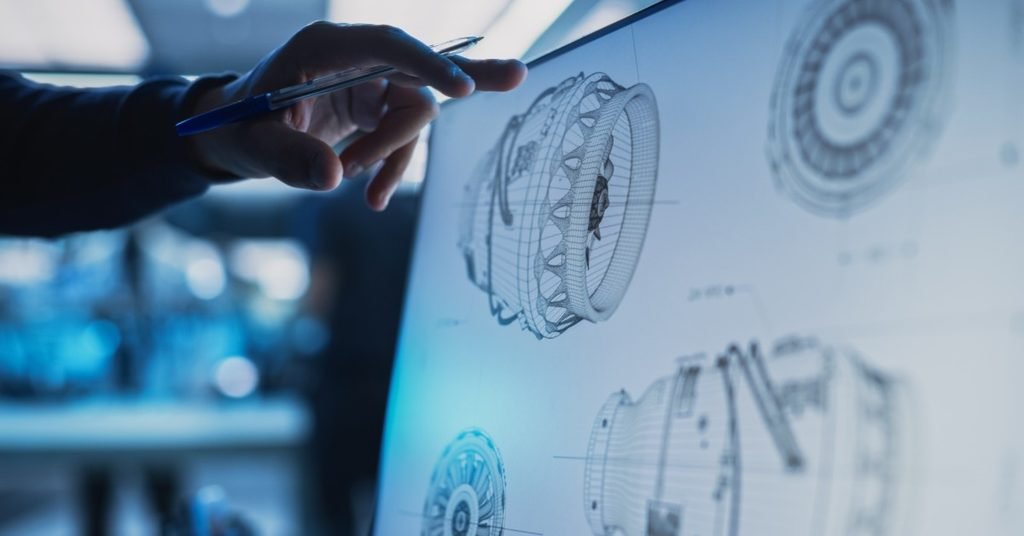
When you look out the terminal window, an airplane can seem surprisingly simple. You see a cabin, two wings, a few windows, and maybe an engine depending on where you sit. But once you look beneath that familiar exterior, you find an incredible amount of engineering working behind the scenes.
Exploring the engineering secrets hidden inside an airplane reveals just how much thought goes into details most passengers never notice. Some solutions deal with enormous forces acting on the entire aircraft. Others focus on a tiny edge or a small connection that still needs to perform exactly as engineers expect.
Wings Actually Need To Bend
If you have ever watched an airplane wing move during turbulence, you may have wondered whether it should flex that much. The answer is yes. Engineers design wings to bend because a completely rigid structure would struggle to handle constantly changing forces efficiently.
As the airplane moves through uneven air, the load on each wing changes. Controlled flexibility helps the structure handle those changes without concentrating too much stress in one place.
Think of it less like a solid board and more like something designed to move within carefully calculated limits. The wing still needs tremendous strength, but strength does not mean refusing to move.
Flex Does Not Mean Weak
Engineers put wing structures through demanding tests long before you ever board the aircraft. They apply loads that simulate conditions beyond what the wing should experience during an ordinary flight. So, the next time you see a wingtip moving outside your window, you are watching an intentional part of the design rather than a structural flaw.
Even Tiny Metal Edges Matter
Large structures naturally grab your attention, but aerospace engineering often comes down to details you could easily miss. When manufacturers machine a metal component, the process can leave tiny burrs or sharp edges behind. A technician needs to smooth those areas, but simply grinding away until everything feels smooth can create a new problem.
That is where aerospace spec edge radiusing comes in. Engineers can specify how much technicians should round an edge because removing too much material can change the part’s finished dimensions.
In other words, smoother does not automatically mean better. Technicians have to remove unwanted sharpness while keeping the component within its design limits. That level of control shows you why aerospace manufacturing often treats seemingly minor details as serious engineering concerns.
The Aircraft Skin Has a Structural Job
You may think of an airplane’s outer skin as a protective shell, but it does much more than cover the frame. Engineers make it part of the structural system. As the aircraft flies, forces move through different parts of the fuselage and wings. The skin helps carry some of those loads while giving the airplane its smooth aerodynamic surface.
At the same time, engineers constantly watch weight. Adding unnecessary material means the aircraft must carry that extra weight on every flight. So instead of simply making every section thicker, designers study where the aircraft experiences greater loads. They strengthen those areas while using lighter solutions where the structure allows it.
Modern aircraft also use composite materials extensively. These materials give engineers another way to balance structural strength with the need to control weight.
Lightning Protection Starts With the Airframe
You probably do not want to think about lightning while cruising through a storm, but aircraft engineers certainly do. Airplanes can encounter lightning during flight, so designers plan for the electrical energy rather than assuming the aircraft can avoid every strike. On a traditional metal airframe, the exterior can conduct the electrical current across the aircraft.
Composite-heavy airplanes create a different challenge because composites do not conduct electricity the same way aluminum does. Engineers address that problem by incorporating conductive materials into parts of the structure.
The goal is not to make the aircraft somehow immune to lightning. Instead, engineers give that electrical energy a controlled path around the aircraft while protecting critical systems.
You will see this idea throughout aviation engineering. When designers cannot eliminate a force, they often focus on controlling how the aircraft responds to it.
Jet Engines Have To Survive Extreme Heat
Now consider what happens inside a jet engine. Temperatures get intense, yet metal components still need to keep operating while rotating at extremely high speeds. That sounds like a recipe for melted hardware! Engineers use some clever tricks to manage the heat.
For example, certain turbine blades contain tiny internal cooling passages. Air moves through those passages and helps keep the blade temperature within a usable range. Engineers can also apply specialized coatings that give the material additional protection.
A modern turbine may rely on several engineering ideas working together:
- Internal channels help control component temperatures.
- Heat-resistant materials tolerate harsh engine conditions.
- Protective coatings shield critical surfaces.
- Carefully shaped parts control airflow through the engine.
- Regular inspections help teams catch wear as it develops.
None of these solutions works alone. Together, though, they let the engine operate in conditions that ordinary metal components could never tolerate for long.
Cabin Pressure Changes the Fuselage Design
You may barely notice the pressure change after takeoff, aside from the occasional need to pop your ears. The aircraft structure notices it on every flight. As the airplane climbs, outside air pressure drops. The cabin pressure stays much higher, which means air inside the aircraft pushes outward against the fuselage.
Then the aircraft descends, and those conditions change again.
That cycle repeats throughout the aircraft’s service life. Engineers account for it when they design the fuselage because repeated stress matters just as much as a single large load.
Small Engineering Choices Make Flight Possible
The most interesting thing about an airplane may not be any single technology. Instead, you start to appreciate the aircraft when you see how thousands of engineering choices support one another. Once you start looking for the engineering secrets hidden inside an airplane, familiar features begin to feel a lot less ordinary.
So the next time you settle into a seat and look around the cabin, remember that the aircraft’s clean exterior hides an enormous amount of problem-solving. You may not see most of that engineering during the flight, but every carefully considered detail helps make that flight possible.