
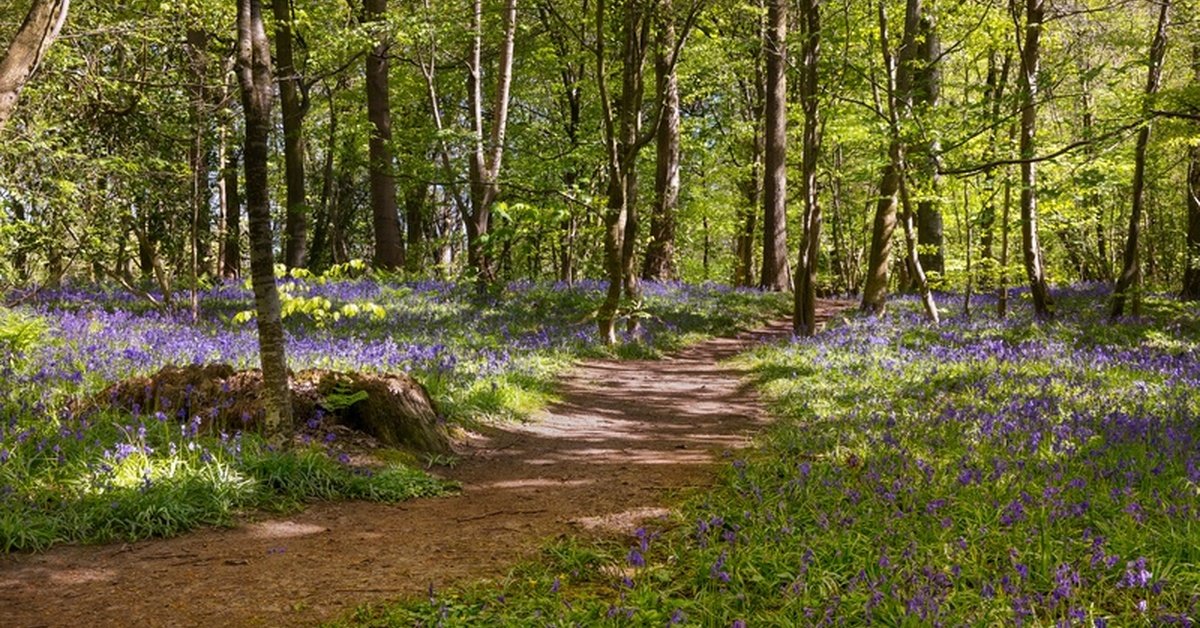
Providing privacy, shade, and the opportunity for wildlife sightings, wooded property sounds pretty great on paper. But without a plan, those acres can become scenery you admire from the porch rather than property you actually use. Fortunately, getting more from wooded land doesn’t require clearing half of it or filling every corner with a project. In fact, many improvements can work with the existing landscape.
Whether you own a few wooded acres behind your house or a much larger tract, these ways to get more use out of a wooded property can turn overlooked spaces into useful, enjoyable parts of your land.
Create Trails That Give You a Reason To Explore
Creating a good trail system is one of the simplest ways to make wooded acreage feel more accessible. Start by considering how you want to use your trails. A short loop near the house might be perfect for morning walks, while longer routes could support hiking, wildlife watching, hunting access, or trips around the property on recreational vehicles.
Whenever possible, work with the terrain. Natural curves can make a trail more interesting while helping you avoid steep slopes, wet ground, sensitive areas, and unnecessary tree removal.
Building the trail is only half the job. Branches fall, vegetation grows, and rain can gradually damage the trail surface. Regularly maintaining the trails on your land keeps routes usable, rather than allowing them to disappear beneath brush a few seasons later. Once you have reliable trails, various parts of the property become much easier to enjoy.
Set Up a Dedicated Outdoor Gathering Area
You don’t necessarily need a giant patio next to the house to have a great outdoor entertaining space. The woods themselves can provide the setting. Look for a relatively level, accessible spot that could accommodate a small gathering area. You might add seating, a picnic table, a simple shelter, or another low-impact feature that fits the surroundings.
Think about how people will reach and use the area, too. A beautiful spot loses some charm when everyone has to scramble down a muddy hill carrying folding chairs and a cooler.
Make Wildlife-Watching More Interesting
Your woods probably have more visitors than you realize. Deer, squirrels, birds, rabbits, and countless other creatures may be using the property, too, whether you notice them or not.
Instead of simply hoping to spot wildlife from a window, create places where observation is easier. Benches along trails, quiet viewing areas, and routes near different habitat types can make wildlife watching much more interesting.
Habitat improvements can also become part of a broader woodland-management plan. Native vegetation, healthy forest edges, nesting opportunities, and access to food and cover can support different species.
Find a Spot for Camping Close to Home
You don’t need to drive three hours and fight for a campsite to spend a night under the trees. A wooded property can offer an easy camping getaway without the need to leave home.
Choose a dry, reasonably flat location with safe access. Keep the site away from obvious hazards such as dead trees or unstable limbs, and follow local rules concerning campfires or other outdoor activities.
A simple campsite can also make the property more entertaining for visiting friends and family. Kids get an adventure, adults get a change of scenery, and everyone still has the option of walking back to the house when somebody realizes they forgot the coffee.
Put Fallen and Unwanted Wood to Work
Woodland management inevitably produces wood. Storms drop limbs, trees die, and selective thinning or other management work may leave usable material behind. Depending on the tree species and condition, some of that material may be useful for firewood. Other pieces might work for rustic projects, trail edging, habitat structures, or landscaping elsewhere on the property. This approach turns routine property maintenance into an opportunity to use resources you already have.
Standing dead trees and downed woody material can also serve ecological purposes, including providing wildlife habitat. A forester or other qualified professional can help you determine which trees should remain and which you can safely remove.
Create Spaces for Hobbies
Wooded acreage can support hobbies that can be more difficult to enjoy on a typical suburban lot. For instance, photography enthusiasts might establish a quiet location for nature photography. Bird-watchers can create observation points. Families could designate areas for scavenger hunts, nature study, or outdoor games. Hunters may use appropriate parts of larger properties for hunting, where laws and conditions allow. Even something as simple as a hammock spot can give an otherwise forgotten corner a purpose.
Manage Different Areas for Different Purposes
Not every acre needs to perform the same job. Consider dividing the property mentally—or on an actual map—into different management zones. One section might prioritize recreation, another wildlife habitat, and another privacy or forest health. Areas closer to the home may receive more active maintenance, while remote sections might remain relatively undisturbed. This strategy can be particularly useful on larger properties because it prevents one goal from taking over everything else.
Start by walking the property and noting its existing features. Identify any wet areas, slopes, mature stands of trees, clearings, water features, existing roads or paths, property boundaries, and places you naturally enjoy visiting. Those characteristics can help you determine which uses make sense, rather than try to squeeze an idea into a location that can’t comfortably support it.
The best ways to get more use out of your wooded property depend on what you actually enjoy. There’s little point in creating elaborate camping areas if nobody in your family likes camping, just as miles of trails won’t help much if you would rather sit quietly and watch birds.
Start with one or two improvements that make the property easier or more enjoyable to use: build a trail. Add a favorite sitting spot. Improve access to an overlooked section. Then, pay attention to how you naturally spend time there.
Over the years, your needs may change—and your woods will change, too. Treating the property as an evolving space rather than as a finished project lets you enjoy more of what you own without losing the natural character that makes wooded land so special in the first place.