
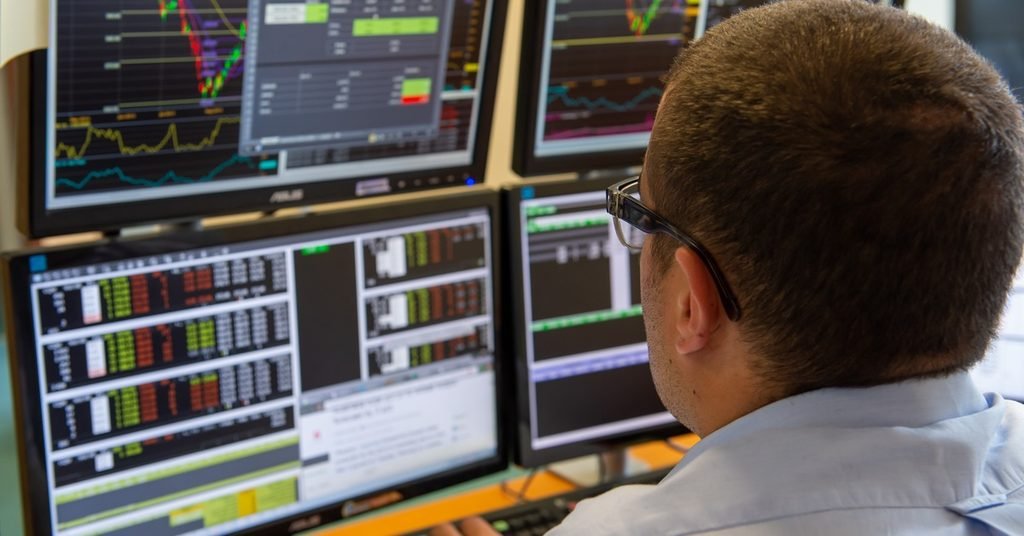
Opening a futures trading account can look deceptively simple. Pick a broker, complete an application, fund the account, and start trading. However, the reality deserves more thought.
Futures markets move quickly, use leverage, and come with rules that can vary by broker, contract, and market condition. A platform that feels perfectly adequate during a quiet session may become frustrating when volatility spikes. A fee schedule that looks inexpensive at first glance may also leave out charges that add up over time.
Before opening a futures trading account, ask questions that reveal how the broker operates when conditions are normal and when they are not.
What Are the Full Trading Costs?
Commission is only one part of the cost of futures trading.
Ask the broker to explain every charge that may apply to your account. That can include:
- Exchange fees
- Clearing fees
- Regulatory assessments
- Platform charges
- Data subscriptions
- And fees for specific order-routing arrangements.
Some brokers advertise low commission rates because those numbers are easy to compare. The more useful figure is the total cost of placing and completing a trade.
Ask for an example based on the contracts you expect to trade. A clear breakdown can make comparison much easier than a headline commission number.
Are There Fees for Inactivity or Market Data?
Some accounts carry charges even when you are not actively trading. Market data can also come with separate pricing based on the exchanges you need access to. Professional and nonprofessional traders may face different data rates. Find out which subscriptions they require, which are optional, and whether the broker automatically enrolls you in services that carry recurring fees.
What Margin Rules Apply?
Before opening a futures trading account, you should also ask questions about margin rules. Margin deserves close attention because futures accounts operate differently from standard cash brokerage accounts.
Ask about both initial margin and maintenance margin. Then ask whether the broker imposes its own requirements above exchange minimums.
Some firms also offer reduced intraday margins. Those lower requirements can sound attractive, but they may come with strict liquidation policies or specific trading-hour restrictions.
How Does the Trading Platform Perform Under Pressure?
A platform should do more than look polished. Ask how they route orders, what types of orders they support, and how the system performs during periods of heavy market activity.
Execution speed matters, but reliability matters just as much. A fast platform offers little value if it freezes when markets become active. If the broker provides a demo environment, use it. Test order entry, charting, position management, and account monitoring before risking capital.
What Happens If the Platform Goes Down?
Ask what backup procedures are available when the primary platform becomes unavailable. Can you place or close a trade by phone? Is there a backup platform? Does the broker maintain a dedicated trade desk?
Knowing the emergency process in advance beats searching for a phone number while a position moves against you.
What Support Is Available During Trading Hours?
Customer service is one of the most important things new traders should consider when selecting a futures trading broker. Ask when support is available and how quickly the firm responds to trading-related issues. Futures markets trade beyond standard business hours, so a support schedule built around a conventional workday may leave gaps.
You should also distinguish between general customer service and trade-desk support. Resetting a password is different from resolving an order problem in a moving market.
Which Contracts Can I Trade?
Not every futures broker provides equal access to every market. If you plan to trade equity index, energy, agricultural, interest-rate, currency, or metal futures, confirm that the broker supports the contracts you want.
Also ask about micro and mini contracts. Smaller contract sizes can provide more flexibility when managing exposure, particularly for traders working with modest account balances.
What Risk Controls Does the Platform Offer?
Good trading software should help you monitor risk, not merely enter orders.
Ask whether the platform supports stop orders, bracket orders, daily loss limits, alerts, and automatic position controls. Some traders also benefit from features that limit the number of contracts they can hold or restrict trading after a specified loss threshold.
These tools do not eliminate risk. They can, however, add structure when markets move faster than expected.
How Does the Broker Handle Liquidations?
If your account no longer meets margin requirements, the broker may have the right to close positions without waiting for your approval. Ask when liquidation can occur, which positions the firm may close first, and whether additional fees apply.
You should also understand whether the broker uses automated risk systems that monitor accounts in real time. A written explanation of the liquidation policy is much more useful than vague assurances from the firm to work with you through issues.
How Does the Broker Hold Customer Funds?
Futures customer funds generally follow rules that differ from those covering securities brokerage accounts. Traders should understand those distinctions rather than assuming every financial account receives the same protections.
Look for clear information about where funds are held, how withdrawals work, and what documentation the firm provides.
What Education Is Available?
Education can help traders understand platform mechanics, contract specifications, and basic market structure.
Ask whether the broker provides tutorials, webinars, written guides, platform demonstrations, or access to knowledgeable staff.
Useful education should explain how the market works rather than push traders toward constant activity.
What Is the Withdrawal Process?
It is easy to focus on depositing money and forget about taking it out. Ask how long withdrawals generally take, what methods are available, and whether any fees apply.
Some firms may require additional verification before sending funds. Others may place restrictions on recently deposited money. Understanding the process ahead of time helps prevent surprises when you need access to your capital.
Does the Broker Fit the Way I Plan to Trade?
A broker can be reputable and still be a poor fit for your trading style.
A trader who places a few longer-term positions may care most about research, account reporting, and dependable support. Someone who trades actively throughout the day may place more weight on execution, platform stability, and intraday margin policies.
Think about how you expect to use the account before comparing features. That perspective makes it easier to separate meaningful differences from bells and whistles.
Take Time Before Funding the Account
Opening a futures trading account should come after the questions, not before them.
Compare fees, understand margin rules, test the platform, review the broker’s risk policies, and make sure support is available when you are likely to trade. Read the account agreements as well. They contain details that a marketing page may never mention.
A few extra questions at the beginning can save considerable confusion later.
Futures trading carries substantial risk, and no broker can remove that reality. Choosing a firm with clear policies, dependable technology, and transparent communication can at least make the mechanics of trading easier to understand.