
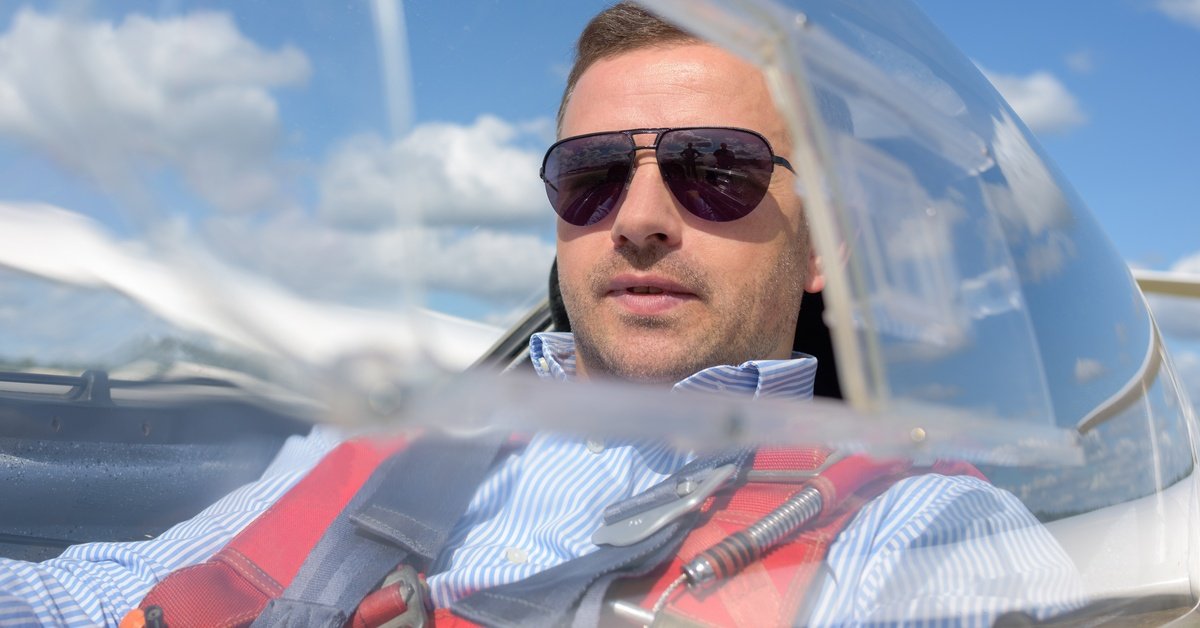
Stepping into the cockpit alone for the first time brings a mix of excitement and focus. Every student pilot reaches this milestone, and preparing for your first solo flight experience sets the tone for how confidently you handle the aircraft. With the right mindset and preparation, you can approach this moment with clarity instead of nerves.
Build Confidence Through Repetition
Confidence builds through consistent practice. Before your solo, you’ll repeat takeoffs, landings, and traffic patterns many times with your instructor. Each repetition enhances your awareness and control.
You learn how the aircraft responds under various conditions and how to correct small errors promptly. Focus on mastering the fundamentals. Smooth control inputs and clear decision-making are more important than trying to impress anyone.
Know Your Aircraft Inside And Out
Before flying solo, ensure you’re fully familiar with your aircraft, including controls, instruments, and emergency procedures. Take time to review the checklists and the cockpit layout carefully.
Visualize each step beforehand, even before starting the engine. Knowing the location and functioning of all components helps minimize hesitation and keeps you focused throughout the flight.
Stay Sharp With Pre-Flight Preparation
Preparation begins well before you reach the runway. A thorough pre-flight routine helps you catch issues early and stay organized.
Key steps to follow:
- Check weather conditions and wind patterns
- Review your flight plan and airport layout
- Inspect the aircraft carefully
- Confirm fuel levels and equipment status
These habits create a strong foundation and help you stay in control from the start.
Understand Safety Requirements And Health Readiness
Flying solo demands more than just technical skills; it also requires adherence to safety and medical standards that ensure safe operation. Pilots need to carry proper documentation, such as FAA medical certificates, verifying they meet health and mental fitness criteria.
Always check your condition before flying—fatigue or distraction can impair your performance. Approach each flight with a clear, focused mindset to maintain safety.
Manage Nerves And Stay Focused
Feeling nervous before your first solo flight is normal, but managing that energy is crucial. Take a moment to breathe and review your plan step by step.
Trust your training and rely on your checklist. When you stay focused and follow your routine, your nerves generally lessen once you start flying.
Think Ahead During The Flight
Good pilots anticipate the aircraft’s needs, remaining proactive rather than reactive during their solo flights. Continuously monitor your speed, altitude, and position.
Plan your turns, approaches, and landings in advance to ensure smooth control. This proactive mindset helps keep your flight stable and reduces cockpit stress.
Take Pride In The Milestone
Completing your first solo flight represents a major achievement. It shows that you can take responsibility and apply your training independently.
When you focus on preparing for your first solo flight experience, you set yourself up for success not just on that day, but throughout your entire aviation journey.