
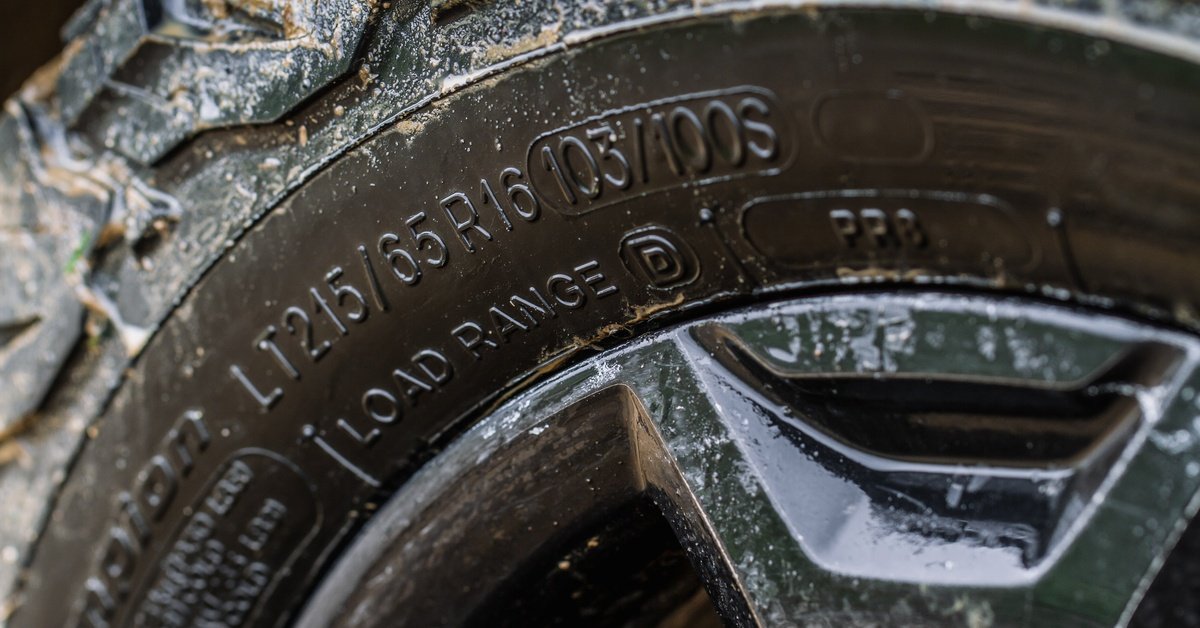
A lot of vehicle owners assume the numbers on a tire’s sidewall tell the whole story, but what drivers miss when comparing tire ratings is how those figures work together once the vehicle is in motion. Two tires can be the same size and still deliver completely different results in comfort and stability. Looking at one rating in isolation can make a tire seem like a stronger match than it really is.
Speed Ratings Do Not Explain Everyday Ride Quality
Speed ratings sound like a direct measure of overall performance, but they only describe the maximum speed a tire can sustain under set conditions. They do not automatically reflect how smoothly a tire handles rough pavement or how loud it is. A higher speed rating may look impressive, yet it can still produce a firmer or less refined ride than expected.
Load Ratings Affect Feel and Control
Load capacity is easy to overlook, but it plays a major role in how a vehicle feels during braking and on the highway. A tire that does not properly match the vehicle’s weight demands can change how stable and composed the vehicle feels. That is part of the reason you should let a professional replace your tires. Proper replacement is not just about mounting a tire but about matching the right specifications to the vehicle. On heavier vehicle models, that difference in control becomes even more noticeable over time.
Treadwear Ratings Need Context
Treadwear grades can create the impression that one number guarantees longer life in every situation. In reality, those figures are most useful as a rough comparison within a brand’s own lineup rather than a universal promise across every tire on the market. A tire built for quieter performance or stronger wet traction may wear differently than one built mainly for longevity. Drivers benefit more from balanced refinement than from chasing the highest possible treadwear number.
The Best Comparison Looks Beyond One Number
At the end of the day, what drivers miss when comparing tire ratings is that no single category fully captures the driving experience. Speed, load, treadwear, and traction all matter, but they only make sense when considered together. The right tire supports both comfort and handling. That complete balance is usually what separates an average replacement from one that truly suits a premium vehicle.