
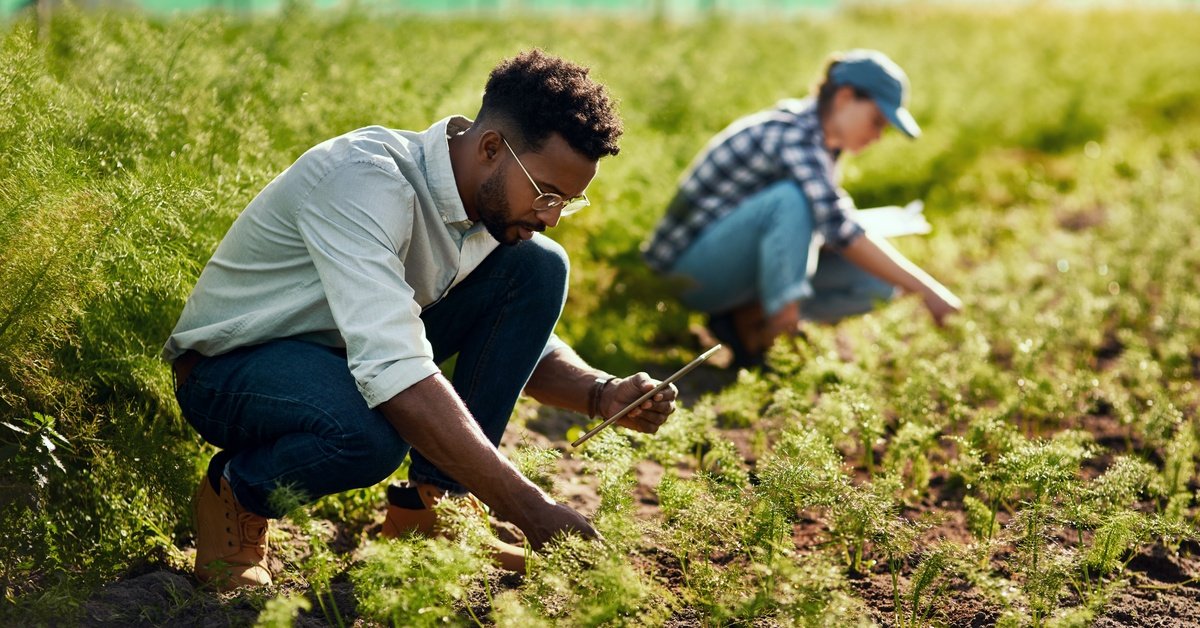
Food travels through a long chain before it reaches your kitchen. A loaf of bread or a bag of apples starts with decisions that happen long before anyone scans a barcode. A closer look at how technology changes the way food reaches us shows that farms now rely on better information rather than relying solely on guesswork. The process still begins with soil and weather, but modern tools help people protect food from the field to the store.
Farmers Spot Problems Earlier
Farmers still need experience and good instincts when they walk through a field. However, technology now gives them another view before a small problem spreads across a crop. A drone image or sensor reading might reveal plant stress that’s easy to miss from the ground. With that early warning, a farmer has more time to respond in the exact area that needs attention, rather than reacting after damage spreads.
Water Use Gets Smarter
Water has always played a role in a crop’s success. Too much water weakens plants and sends nutrients away from the soil. Meanwhile, too little water slows growth, leaving farmers with fewer choices later in the season. Today, smart irrigation tools can help growers read soil moisture more clearly, so they water at better times and waste less during dry weeks. This improves precision and reduces water waste by only watering the crops that need it.
Better Data Supports Better Yields
Food supply depends on how well crops grow through each season. Farmers now study field conditions with tools that help them see patterns they might not catch by memory alone. That is one of the ways technology can increase crop yields, as better data helps growers make more informed decisions about planting and harvest timing. Technology does not replace the farmer, but it gives that experience a clearer map to follow.
Harvest Timing Is Better
Picking food at the right time affects flavor and shelf life. A crop harvested too early may look fine at first, but lose quality before it reaches shoppers. Meanwhile, a crop left too long in the field may spoil more quickly as it moves through the supply chain. Technology helps farmers watch the weather and ripeness more closely so each harvest has a better chance of arriving in good condition.
Transportation Becomes Easier To Follow
Once food leaves the farm, the trip still needs careful attention. Temperature changes and travel delays quickly affect fresh food, especially when products require steady, cold storage. Tracking tools help companies see where food is along its journey and respond before a minor delay becomes a major loss. This gives grocery stores and food distributors better control before products reach the shelf. When stores make sharper decisions, customers see fresher options and businesses lose less product.
Technology helps food move with more control, but people still guide every major choice. A practical view of how technology changes the way food reaches us shows that modern tools support human judgment rather than pushing it aside.