
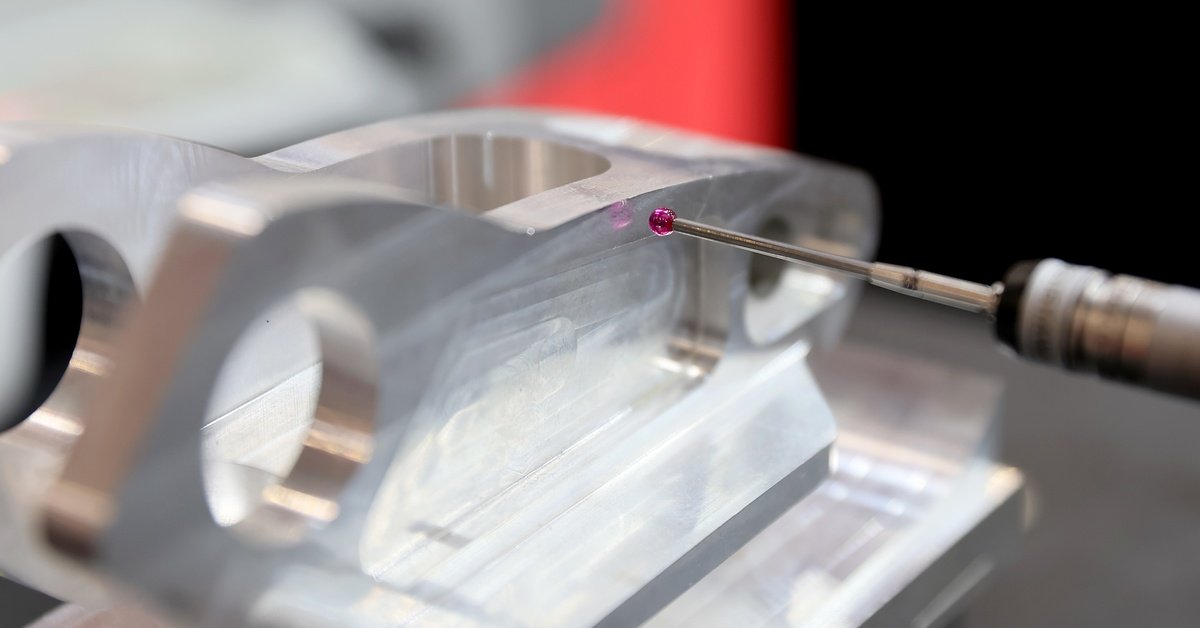
A CMM stylus is not a small add-on to treat casually. It sets the point of contact between the machine and the part, so the wrong choice affects every subsequent measurement. What to check before ordering a CMM stylus starts with the work the machine must handle each day.
Match the Stylus to the Part
Start with the surface you need to measure, then work backward into stylus size and shape. A large ball tip suits broad, open surfaces because it offers stable contact without digging into small texture changes. A smaller tip reaches tighter features, but it demands a cleaner setup because slight deflection has less room to hide. When part geometry changes frequently, avoid choosing a stylus because it worked on the last job.
Check Length Before Reach
Longer reach sounds useful until it starts affecting rigidity. A stylus that extends too far from the probe is at higher risk of bending during contact, which compromises repeatability. Shorter setups usually hold steadier, so use only the length needed to clear the part and reach the feature. If extra reach is unavoidable, choose the stiffest practical construction.
Confirm Thread Compatibility
Thread size must match the probe system before anything else fits correctly. Proper probe assembly depends on understanding thread standards for efficient stylus setup, because the thread must match the CMM probe head before measurement work begins. A mismatch might look close enough at first, yet poor seating creates instability that calibration will not fully correct. Check the probe documentation before ordering, rather than assuming similar-looking parts will connect.
Consider Material and Wear
Stylus material affects how the tip behaves against the part surface. Ruby is common for general work, while other tip materials suit parts that create adhesion or wear problems during repeated contact. Don’t ignore stem material, as stiffness varies with length and application. For high-use setups, a better material choice is often cheaper than chasing inconsistent inspection results later.
Plan Around Calibration
Every stylus change should fit into the calibration routine already used on the machine. A new stylus length or ball size changes the probing relationship, so calibration must happen before production measurements resume. Keep setup records clear enough that another operator could rebuild the same configuration without guessing.
A good stylus order should leave no room for guesswork once it reaches the machine. At that point, what to check before ordering a CMM stylus is less about buying another component and more about protecting the inspection process. The right choice keeps setup cleaner, measurements steadier, and rework off the schedule.