
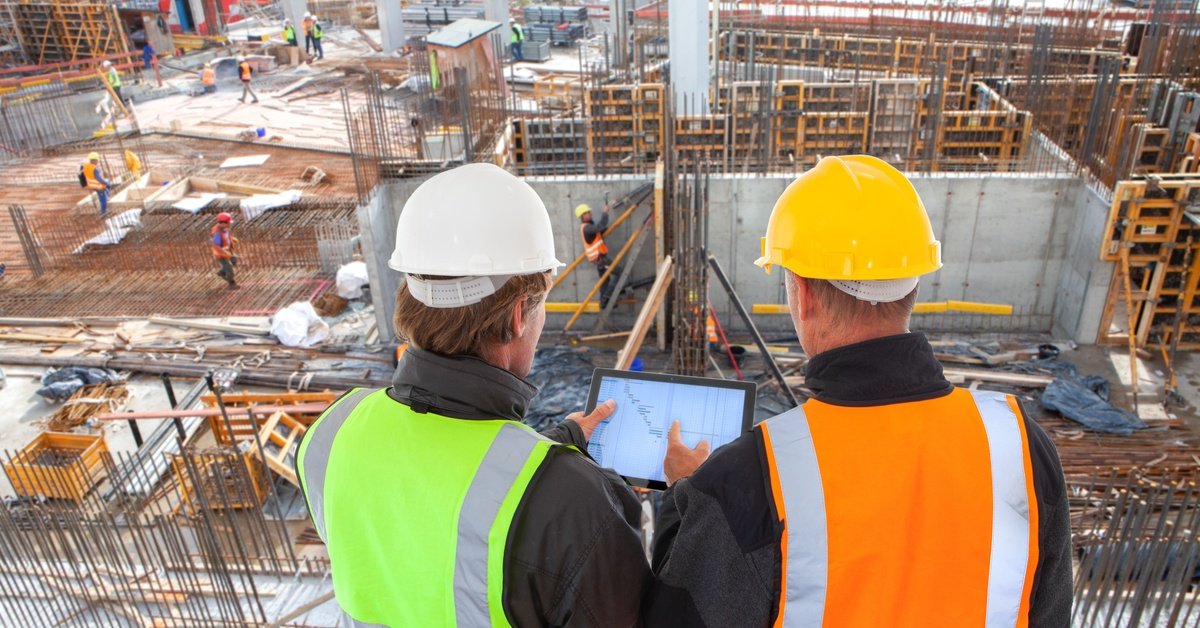
Visibility sounds simple until the jobsite gets loud or crowded. A worker might be wearing bright gear and still disappear into the glare or the movement of equipment at the wrong moment. Jobsite visibility risks that workers overlook usually show up in the small gaps between what seems visible and what is noticeable. Those gaps are where close calls begin.
Bright Gear Is Not a Full Safety Plan
High-visibility clothing plays a major role on construction sites, but clothing alone cannot carry the entire burden. Dirt, fading, poor contrast, and blocked reflective striping reduce how quickly someone can be seen. A vest covered by a tool belt or a hoodie hidden under a jacket loses much of its purpose. Visibility has to be treated as a working condition, not just a clothing choice.
Weather Changes What People Notice
Rain changes how light bounces off surfaces, and fog makes distance harder to judge. During cold shifts, workers layer up fast, which might cover reflective material that was visible at the start of the day. Even dry weather creates problems when dust dulls bright fabric or sticks to striping. When conditions change, visibility needs a fresh look before the crew settles into the next task.
Night Work Creates a Different Risk
Night work with low light makes workers rely more on contrast and movement, so reflective placement has to hold up during real tasks. A hoodie might seem practical, but whether hoodies are safe enough for night work depends on how visible the reflective areas are when a worker stands near active equipment. If reflective material is visible only from one angle, it leaves dangerous gaps. Night work punishes assumptions because drivers and operators have less time to react.
Equipment Can Hide Workers Fast
Heavy machinery creates blind spots that shift with every turn. A worker standing near a machine might believe they are obvious, yet the operator sees only part of the area around them. Shadows from equipment make the problem worse by breaking up a person’s outline. Clear positioning matters most when the task draws focus to the machine rather than to the people nearby.
Familiar Sites Can Make Crews Too Comfortable
The longer a crew works in the same place, the easier it becomes to rely on the same habits. A path that seemed safe yesterday might be harder to see after materials move or lighting changes. Familiarity creates risk when workers stop noticing how the site looks from another person’s view. Visibility improves when crews pause long enough to question what has changed.
Small visibility problems rarely announce themselves loudly. They build in the background until timing, movement, and poor contrast line up badly. Jobsite visibility risks workers overlook deserve a sharper place in daily safety habits because being seen is not the same as being safe. On a busy site, the safest worker is the one others notice before the moment gets tight.