
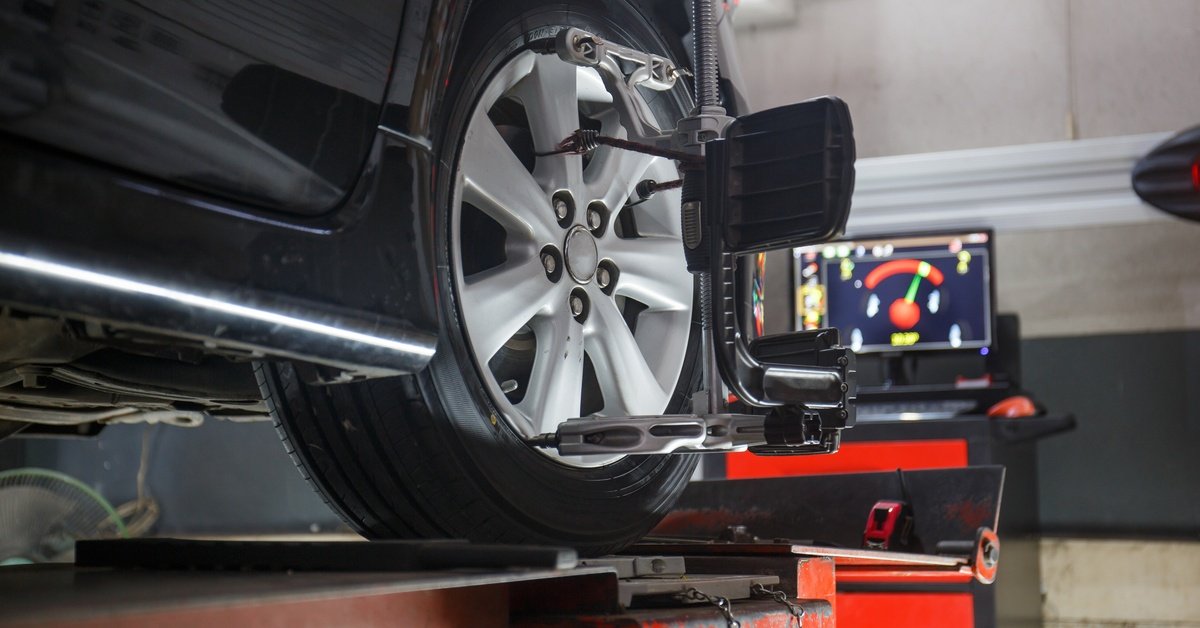
Wheel alignment affects how your vehicle responds to everyday driving conditions. Correct alignment keeps all four wheels positioned according to the manufacturer’s specifications, so you’re safe on the road.
This setup allows your vehicle to travel smoothly while reducing unnecessary strain on important components. Drivers who understand how wheel alignment improves vehicle performance can maintain a more controlled and predictable driving experience.
Better Handling on Every Drive
Accurate wheel alignment improves steering response during city driving and highway travel. The vehicle tracks straight instead of pulling toward one side of the road. Drivers also maintain better control when navigating curves or changing lanes. These improvements increase confidence behind the wheel while supporting safer driving habits.
Longer Tire Life Through Even Wear
Misaligned wheels create uneven pressure across the tire surface during every mile. This uneven contact causes certain sections of the tread to wear much faster than others. Many drivers search for answers about what it means when one side of their tire wears faster after noticing unusual tread patterns. Prompt alignment service helps distribute tire wear more evenly and extends overall tire life.
Improved Fuel Efficiency
Poor alignment forces tires to drag instead of rolling efficiently across the pavement. Increased rolling resistance requires the engine to work harder during normal driving. That extra effort leads to higher fuel consumption over time. Proper alignment helps the vehicle move more efficiently and supports better fuel economy.
Signs Your Vehicle May Need Alignment
Several warning signs indicate that your vehicle could benefit from an alignment inspection. Recognizing these symptoms early prevents unnecessary wear and costly repairs. Pay attention to changes in how the vehicle feels during everyday driving. Addressing small problems quickly often prevents larger mechanical issues later.
- Vehicle pulls to one side while driving.
- Steering wheel sits off-center on a straight road.
- Tires show uneven or rapid tread wear.
- Steering feels loose or less responsive.
- Squealing tires occur during normal turns.
Reduced Wear on Suspension Components
Suspension parts work together to maintain stability and comfort throughout every trip. Misalignment places extra stress on ball joints, tie rods, bushings, and other steering components.
Excessive strain shortens the lifespan of these parts and increases maintenance costs. Correct alignment reduces unnecessary pressure while helping suspension systems perform as intended.
When to Schedule an Alignment Check
Drivers should schedule alignment inspections after striking large potholes or curbs, as sudden impacts often alter wheel alignment. Routine wheel alignment improves vehicle performance and helps with safety more than new tires or suspension repairs.
Regular maintenance allows technicians to identify small alignment changes before they become larger problems. Consistent attention to wheel alignment improves performance, protects valuable components, and supports a smoother driving experience for years to come.