
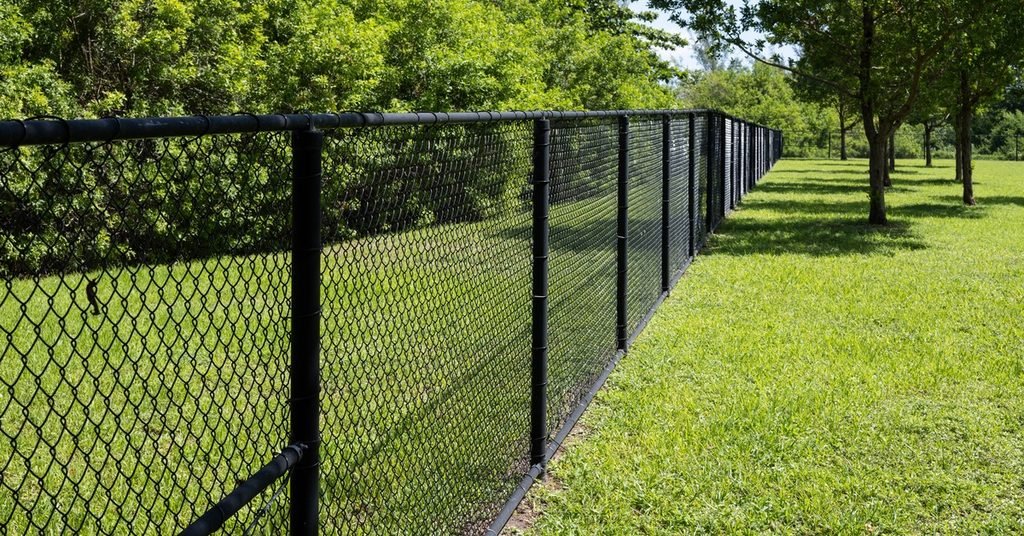
Installing a chain link fence requires planning, steady workmanship, and the right equipment from the beginning. Choosing essential chain link fence installation tools before work starts helps every stage move efficiently while reducing unnecessary adjustments. Proper preparation also improves safety because each tool serves a specific purpose instead of forcing improvised solutions.
Whether the project covers a backyard, commercial property, or recreational area, dependable equipment supports cleaner results and stronger fence performance. Understanding how every tool contributes allows installers to work confidently while maintaining consistent quality from the first measurement until securing the final tension wire.
Measuring Equipment Creates a Reliable Foundation
Every successful installation begins with accurate measurements. Installers use a quality tape measure to determine fence length and position posts correctly across the property. Measuring wheels also prove useful when covering longer distances because they provide consistent readings without repeated tape adjustments. Proper measurements reduce material waste and prevent alignment problems that become difficult to correct after concrete hardens around each post.
String lines also play an important role throughout the installation process. Stretching a string between corner locations provides a visual guide that keeps every post aligned. This simple reference improves appearance while helping maintain equal spacing across the entire fence line. Careful measuring creates a stronger foundation before excavation begins.
Digging Tools Prepare Stable Post Locations
Creating solid post holes requires dependable digging equipment suited to the ground conditions. Manual post hole diggers remain practical for smaller projects because they provide excellent control while minimizing disruption around the work area. Power augers become valuable when larger installations demand faster progress or when dense soil increases physical effort.
The depth and diameter of every hole directly affect fence stability. Consistent excavation supports uniform post placement while allowing sufficient concrete around each support. Removing loose soil before setting posts also improves strength because the concrete bonds against undisturbed ground rather than unstable debris. Proper digging equipment contributes directly to long-term fence durability.
Concrete Tools Support Strong Fence Posts
After excavation, concrete becomes the structural anchor that keeps every post secure. Mixing tubs, wheelbarrows, or portable mixers simplify preparation while ensuring consistent material throughout the project. Shovels help transfer concrete efficiently into each hole without creating unnecessary spills that require additional cleanup.
A level should remain close throughout this stage because every post must stand perfectly upright before the concrete begins curing. Small adjustments become increasingly difficult once the mixture stiffens. Temporary braces also hold posts securely while the concrete sets, allowing installers to maintain accurate alignment during the curing process without repeated corrections.
Cutting Equipment Makes Accurate Adjustments
Chain link fencing materials often require trimming to match project dimensions. Reliable cutting tools allow installers to make clean adjustments without damaging surrounding components. Proper wire cutters produce neat edges that simplify attachment and reduce the likelihood of sharp protrusions remaining after installation.
Some projects also require bolt cutters for chain link fencing jobs when heavier materials or thicker wire sections need additional cutting strength. This also prevents damage to fittings. Using the correct cutting equipment protects surrounding fence fabric while reducing unnecessary effort. Accurate cuts also help maintain a cleaner finished appearance that reflects professional workmanship throughout the completed installation.
Tensioning Tools Improve Fence Performance
Proper tension gives chain link fencing its distinctive appearance and dependable performance. Stretch bars distribute pulling force evenly across the fence fabric, preventing uneven stress that could distort the mesh. Fence pullers gradually increase tension while allowing careful adjustments before permanent attachment occurs.
Maintaining consistent tension helps prevent sagging that may develop after installation. Installers should also avoid overstretching because excessive force places unnecessary strain on posts and fittings. Balanced tension creates a secure fence that performs well while preserving an attractive, uniform appearance across the entire property boundary.
Fastening Tools Secure Every Component
Fastening hardware connects every section into a stable fencing system. Wrenches tighten nuts and bolts that hold framework components together while adjustable versions accommodate different hardware sizes without requiring constant tool changes. Socket sets also improve efficiency by providing greater leverage during repetitive fastening tasks.
Pliers assist with bending wire ties securely around fence fabric and support rails. Firm connections reduce movement while helping every section remain properly positioned over time. Careful fastening ensures each component works together instead of allowing gradual loosening caused by weather exposure or everyday use.
Safety Equipment Protects Every Installer
Protective equipment deserves equal attention alongside installation tools. Durable work gloves shield hands from sharp wire edges while improving grip during lifting and fastening tasks. Safety glasses reduce exposure to flying debris generated while digging, cutting, or securing hardware throughout the project.
Supportive footwear also improves stability when working across uneven terrain or freshly excavated ground. Comfortable clothing that allows unrestricted movement further reduces unnecessary strain during extended installation sessions. Prioritizing personal protection encourages steady productivity while helping installers remain focused on precision rather than preventable injuries.
Maintenance Keeps Tools Ready for Future Projects
Well-maintained equipment performs more reliably while extending its useful service life. Cleaning dirt, concrete residue, and moisture from tools after every project helps prevent corrosion that could affect future performance. Lubricating moving parts also supports smoother operation while reducing wear during repeated use.
Regular inspection identifies loose handles, damaged cutting edges, or worn components before they interfere with installation quality. Replacing compromised tools promptly prevents frustration and supports consistent workmanship. A dependable collection of well-maintained equipment allows installers to approach each new fencing project with greater confidence and efficiency.
Installing a Fence With Confidence
Selecting essential chain link fence installation tools supports accurate measurements, dependable construction, and lasting fence performance from start to finish. Every tool contributes to smoother installation while reducing avoidable setbacks that can affect quality. This approach also reduces costly rework during installation.
Investing in dependable equipment also improves efficiency because each task receives the proper support instead of relying on unsuitable alternatives. Careful preparation, thoughtful tool selection, and consistent maintenance help installers achieve professional results that remain durable through changing conditions while providing dependable protection and an attractive finished appearance.